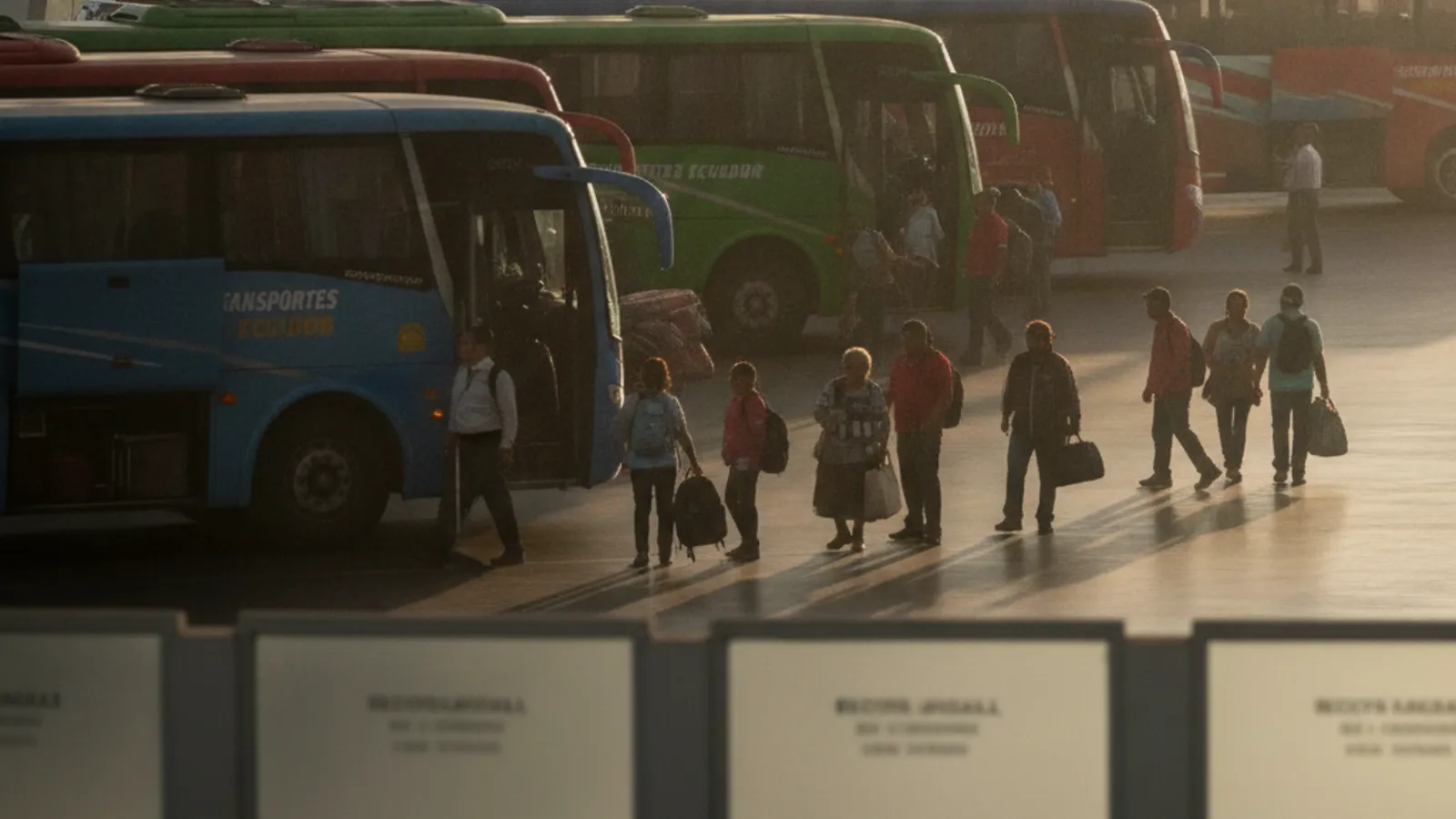
Ecuador Interprovincial Bus Fares Are Set For A 25% Increase

GET YOUR ECUADOR VISA HANDLED BY EXPERTS
Retirement • Professional • Investor visas
What happened
Ecuador's national transit board has approved a 25% fare adjustment for interprovincial and intraprovincial passenger transport.
The adjustment was approved through Resolution 020-DIR-2026-ANT, signed in Quito on July 25, 2026. The measure applies over the passenger fare table that has been in force since 2021.
Officials described the 25% increase as a bridge adjustment while the definitive methodology is reviewed, validated, and implemented.
When it applies
The resolution fixes the new values from July 25, but the public rollout has not been perfectly clear. The date had also been discussed as August 1, and ANT director Luis Villacres said on July 28 that the resolution already exists and should apply in the coming days.
For passengers, the practical answer is to expect fares to move soon and to check the posted price before buying tickets.
Who still pays preferential fares
The source states that preferential fares remain at half the regular fare for several groups:
- Children
- Students
- Adults over 65
- People with disabilities
The increase applies equally to interprovincial and intraprovincial passenger transport.
Why the fares are changing
The fare issue is connected to pressure from fuel and operating costs, especially around diesel pricing and the end of the compensation mechanism. Ecuador's transport law says adjustments should happen every two years, but the last fare table had been in place since 2021.
That gap helps explain why the change is being presented as a temporary adjustment while a more complete methodology is developed.
What This Means for Expats
If you travel Ecuador by bus, this is a direct cost-of-living change. A 25% increase will not destroy a travel budget by itself, but it does make frequent intercity movement more expensive.
For retirees and residents who use buses between Cuenca, Guayaquil, Quito, Loja, Manta, Ambato, Riobamba, or smaller regional cities, the thing to watch is whether terminals update posted fares consistently or whether there is a messy transition period.
It is also worth remembering that the fare increase does not automatically mean better service. The useful question over the next few weeks is whether passengers see clearer schedules, safer operations, or cleaner enforcement along with the higher price.
For now, build a little extra into the travel budget and check the fare before boarding.
Keep practical Ecuador coverage free to read.
Reader support helps fund source monitoring, translation, editing, publishing, and national coverage for expats across Ecuador.
Need help with your Ecuador visa? EcuaPass handles the paperwork for you. Learn more →
Comments
No comments yet. Be the first to share your thoughts!