Quito's Buses Stopped Running This Morning — A Fare Dispute Is Paralyzing the City
 Chip Moreno
GET YOUR ECUADOR VISA HANDLED BY EXPERTS
Trusted by 2,000+ expats • Retirement • Professional • Investor visas
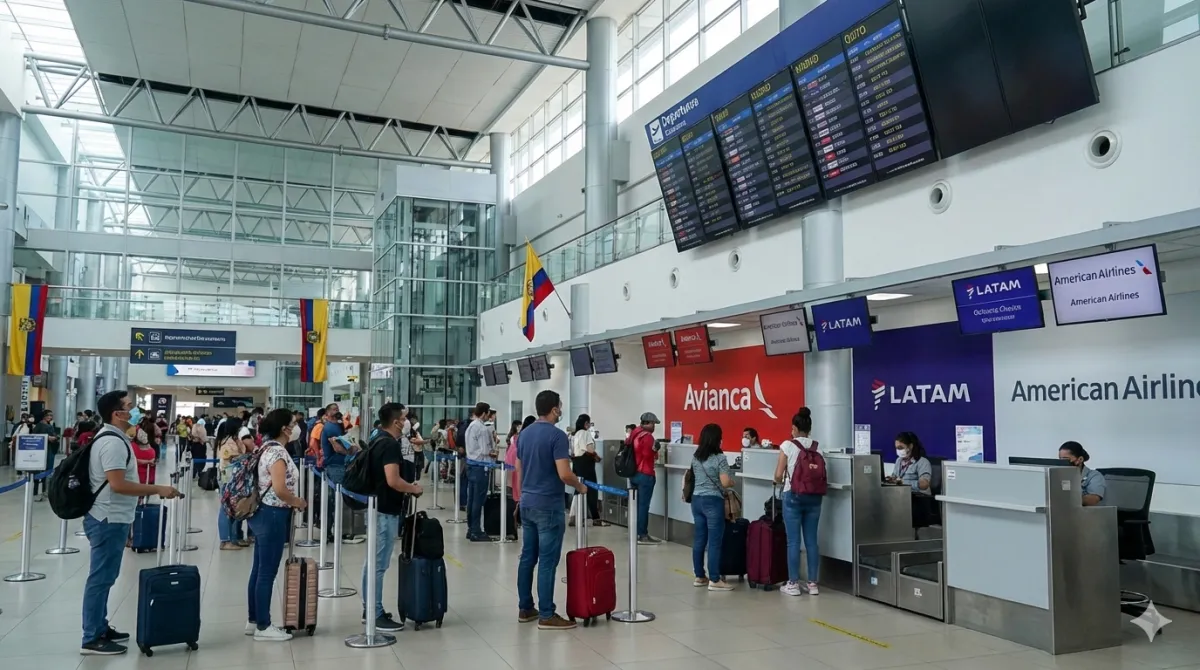
Quito's conventional bus fleet — the backbone of the city's public transit — did not operate from 5:00 AM on May 5, leaving commuters stranded across the capital during morning rush hour.
Service began reactivating around 8:00 AM with limited units, but transit union leader Jorge Yánez announced operators would only work from 8:00 AM to 7:00 PM going forward — a significant reduction from normal hours.
What's Behind It
The dispute centers on diesel subsidies. The government ended fuel subsidies for bus operators, increasing their operating costs. Operators argue the current fare of $0.35 per ride is unsustainable and are demanding a review, claiming the technically justified rate should be $0.65.
The municipal Ecovía, Trolebús, and Metro systems — which are publicly operated — continued running normally, but they handle only about 500,000 of Quito's 2 million daily transit trips. The remaining 1.5 million trips depend on the conventional blue buses that stopped running.
The Impact
- Commuters waited over an hour at stops in Turubamba and other sectors
- Students walked to schools; the Education Ministry announced "flexibility in class start times," with classes beginning at 7:45 AM
- Taxi fares surged — rides to destinations like Avenida Naciones Unidas reached $4
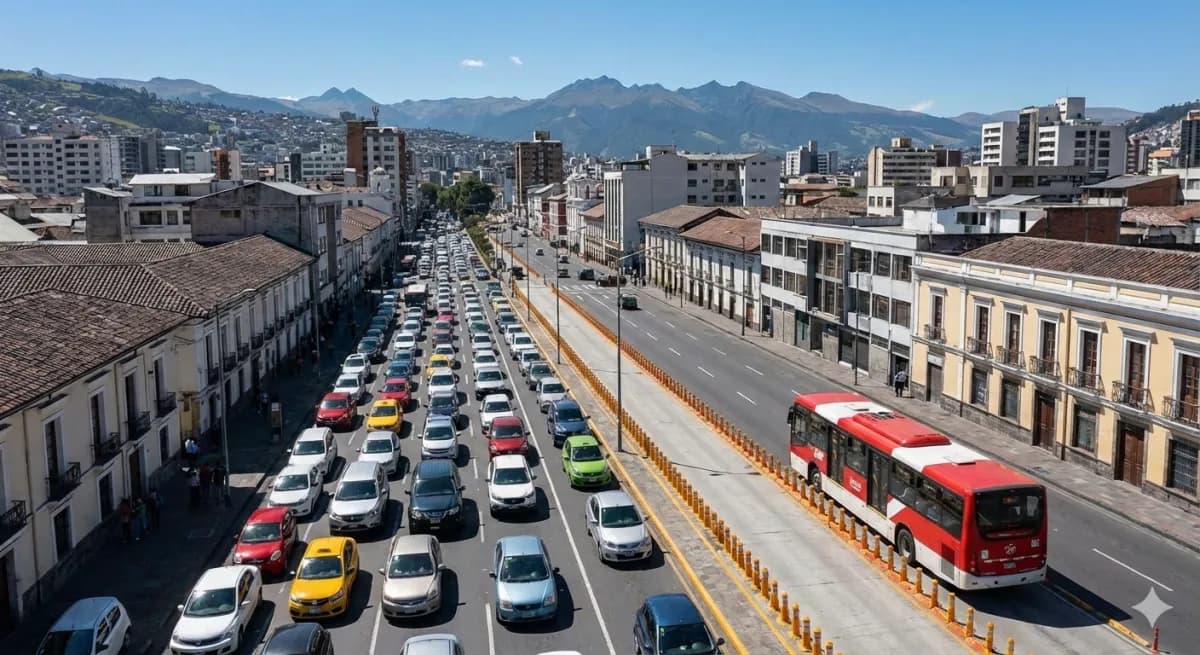
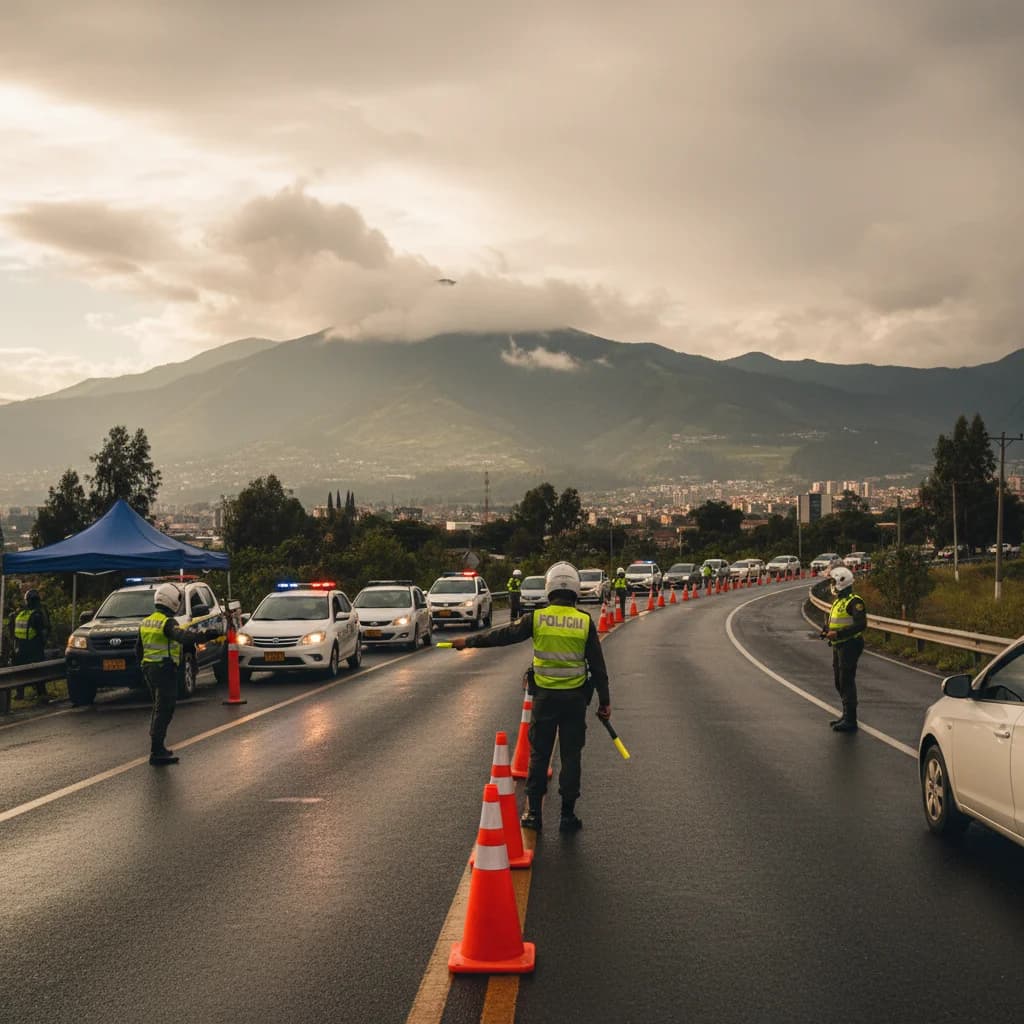
- Heavy traffic congestion at El Trébol, Agua Clara, La Carolina, and La Magdalena as residents switched to private vehicles
- The Municipality suspended afternoon pico y placa (license plate-based driving restrictions) to ease congestion
The Government Response
The Municipality has threatened fines of up to eight monthly salaries for operators who reduce service hours. But fines alone may not resolve the underlying economics: if operators are losing money per trip, penalties just accelerate their exit from the market.
What This Means for Expats
If you live in Quito or the valleys:
- Expect reduced bus service indefinitely — this is a structural dispute, not a one-day event
- The Metro and Trolebús remain operational but will be significantly more crowded
- Plan extra time for any cross-city trips
- Consider adjusting work schedules if you depend on public transit
If you're visiting Quito:
- Taxis and rideshare apps are functioning but prices are elevated
- The Metro is your most reliable option for north-south travel
- Avoid rush hours (7-9 AM, 5-7 PM) if possible
The bigger picture: This is the same subsidy-vs-fare tension playing out across Ecuador. Guayaquil is discussing raising bus fares to $0.50. If diesel subsidies are permanently gone, urban transit costs across the country will eventually adjust upward — affecting daily budgets for everyone.
Sources: Primicias, El Universo
More in Breaking
View all →Keep practical Ecuador coverage free to read.
Reader support helps fund source monitoring, translation, editing, publishing, and national coverage for expats across Ecuador.
EcuaPass
Your Ecuador Visa, Done Right
Retirement • Professional • Investor • Cedula processing & renewals — start to finish by licensed experts.
Get a Free Consultationecuapass.com
Need help with your Ecuador visa? EcuaPass handles the paperwork for you. Learn more →
Comments
No comments yet. Be the first to share your thoughts!