Trump's Drug War Expands in Ecuador — Operation Southern Spear Under Scrutiny
 Chip Moreno
GET YOUR ECUADOR VISA HANDLED BY EXPERTS
Trusted by 2,000+ expats • Retirement • Professional • Investor visas
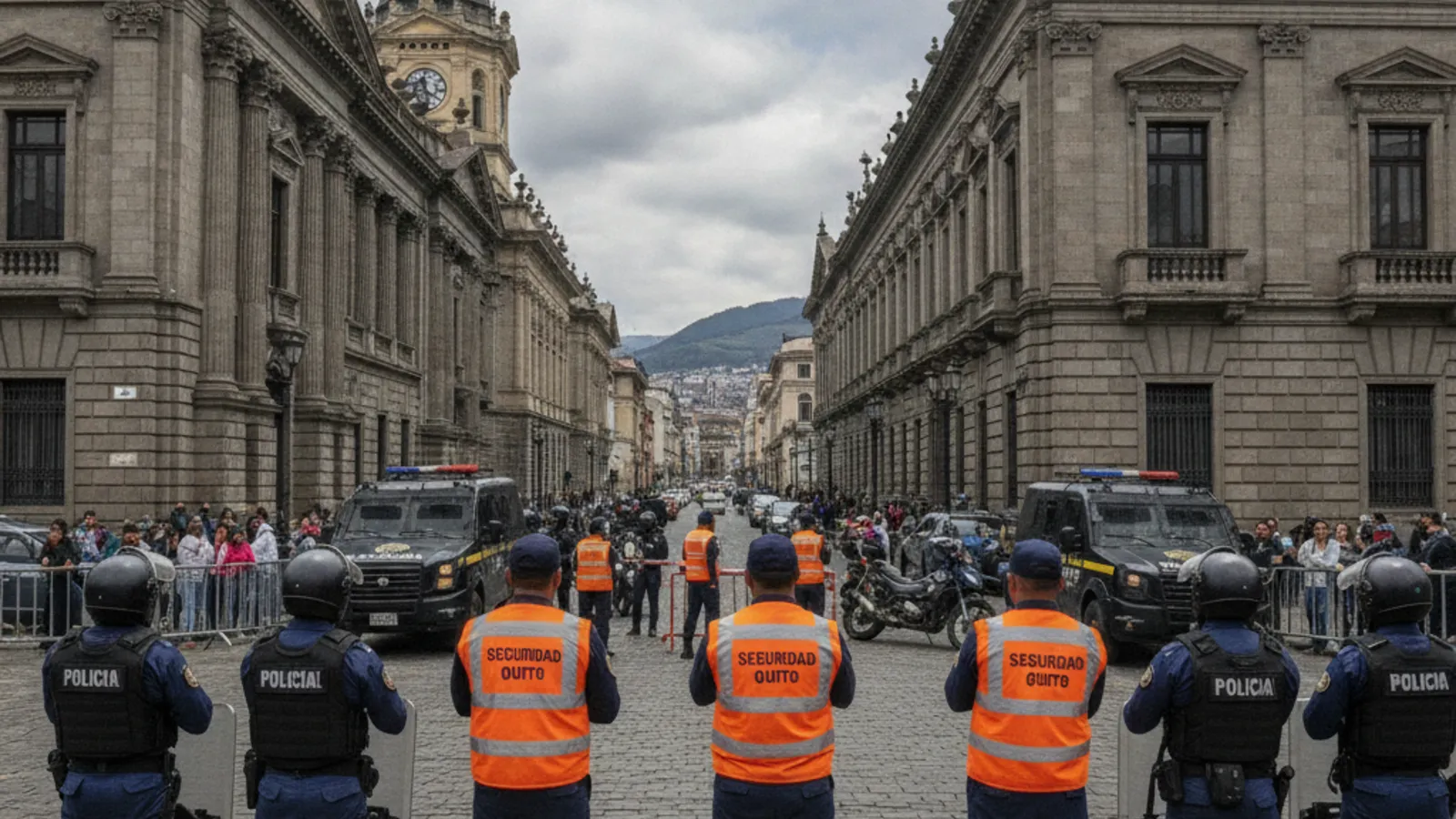
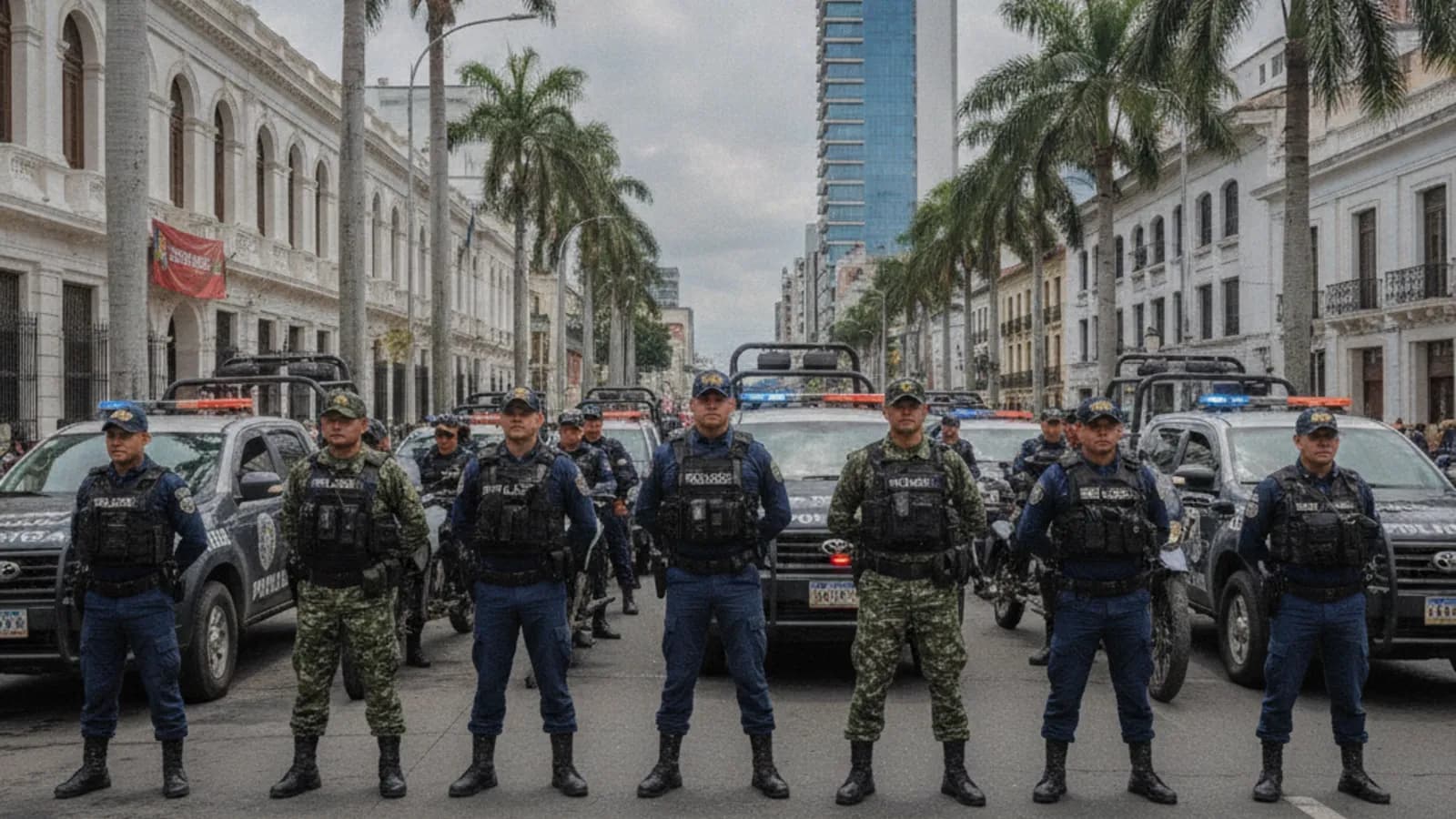
The United States military footprint in Ecuador is growing -- and so is the controversy surrounding it. Operation Southern Spear, the joint U.S.-Ecuador military campaign launched in early March 2026, has become a flashpoint for questions about human rights, operational accuracy, and what American military involvement in South America actually looks like on the ground.
What Is Operation Southern Spear
Operation Southern Spear is a joint U.S.-Ecuador military operation that began on March 3, 2026. Under the arrangement, the United States provides intelligence, logistics, surveillance, and advisory support while Ecuadorian military and police forces conduct ground operations targeting drug trafficking networks.
The operation falls under the broader framework of the Trump administration's expanded counter-narcotics campaign in Latin America. Defense Secretary Pete Hegseth has been the most visible U.S. official promoting the operation, framing it as a decisive strike against the cartels that have driven Ecuador's security crisis.
Ecuador's government under President Daniel Noboa has welcomed the partnership. Noboa declared an internal armed conflict in January 2024 and has maintained various states of emergency since then, granting the military expanded authority to conduct operations against organized crime.
The Dairy Farm Incident
The operation's credibility took a serious hit in late March when The New York Times published an investigation revealing that a strike promoted as destroying a drug trafficking camp actually destroyed a cattle and dairy farm in San Martin, a rural area in northern Ecuador.
The NYT found:
- The strike targeted what U.S. and Ecuadorian officials described as a drug processing and logistics camp
- In reality, the location was a working dairy and cattle farm with civilian workers
- Workers at the farm reported being subjected to beatings, choking, and electrical shocks by Ecuadorian soldiers during and after the raid
- The Pentagon initially issued a statement saying it had "executed targeted action" at Ecuador's request, without acknowledging the civilian nature of the target
- Defense Secretary Hegseth had publicly promoted the strike as evidence of the operation's success before the NYT investigation revealed what actually happened
The incident bears uncomfortable similarities to intelligence failures in other U.S. military operations abroad -- where pressure to produce visible results leads to strikes on misidentified targets.
UN Raises Alarm
The UN Committee on Enforced Disappearances has raised formal concerns about the pattern of military operations in Ecuador under the repeated states of emergency. The committee's concerns include:
- Enforced disappearances -- individuals detained by security forces whose whereabouts become unknown to families and legal representatives
- Lack of accountability for military operations that result in civilian harm
- The legal framework of repeated states of emergency granting extraordinary powers with insufficient oversight
- Reports of abuse during military operations, including those connected to joint U.S.-Ecuador activities
Ecuador's government has pushed back on these concerns, pointing to the 28% reduction in homicides in March (covered separately) as evidence that the security strategy is working. The government frames the operations as a necessary response to cartel violence that has killed thousands of Ecuadorians.
The Broader U.S. Military Presence
Operation Southern Spear is not happening in isolation. The U.S. military presence in Ecuador has been expanding through several channels:
- Bilateral security agreements signed under the Noboa administration
- DEA and intelligence sharing operations that predate the current crisis but have been expanded
- Naval cooperation in Pacific waters, particularly around counter-narcotics interdiction
- Training programs for Ecuadorian military and police units
The Trump administration has framed Latin American counter-narcotics operations as a national security priority, tying drug trafficking to fentanyl deaths in the United States. Ecuador -- with its dollarized economy, strategic Pacific coast location, and government willing to cooperate -- has become a primary partner in this campaign.
The Accountability Gap
The dairy farm incident highlights a fundamental tension in the operation: who is accountable when things go wrong?
The U.S. provides intelligence and targeting information but does not conduct ground operations directly. Ecuador's military executes the operations but relies on U.S.-provided intelligence. When a strike hits the wrong target:
- The U.S. can point to Ecuador's forces as the operators
- Ecuador can point to U.S. intelligence as the basis for the operation
- Civilian victims are left without a clear path to accountability or compensation
This structure -- where responsibility is diffused between two governments -- is a familiar pattern in U.S. military operations globally and one that human rights organizations have criticized for decades.
What This Means for Expats
- Your daily safety is unlikely to be directly affected. Operation Southern Spear targets drug trafficking operations in specific rural and coastal areas, not urban centers where most expats live. The military operations are concentrated in provinces like Esmeraldas, Guayas, and Los Rios -- not in Cuenca, Quito's urban core, or Vilcabamba
- The security situation is genuinely improving by the numbers. Homicides are down, major gang leaders have been arrested, and the government's aggressive approach has disrupted cartel operations. These are real improvements that make Ecuador safer for everyone, including expats
- But the human rights dimension matters. Reports of military abuses, misidentified targets, and UN concerns about enforced disappearances raise legitimate questions about the sustainability and ethics of the current approach. Security gains achieved through abusive methods tend to be fragile
- The U.S. military presence is a political reality. American expats living in Ecuador should be aware that the U.S. government is actively involved in military operations in their host country. This has implications for how Ecuadorians may perceive Americans, particularly in regions where operations have caused civilian harm
- Watch for political shifts. Ecuador's presidential election is approaching. If a candidate critical of the U.S. military relationship gains traction, the security partnership could change significantly -- along with the overall security strategy
Source: Al Jazeera
More in Safety
View all →Keep practical Ecuador coverage free to read.
Reader support helps fund source monitoring, translation, editing, publishing, and national coverage for expats across Ecuador.
EcuaPass
Your Ecuador Visa, Done Right
Retirement • Professional • Investor • Cedula processing & renewals — start to finish by licensed experts.
Get a Free Consultationecuapass.com
Need help with your Ecuador visa? EcuaPass handles the paperwork for you. Learn more →
Comments
No comments yet. Be the first to share your thoughts!