U.S. Special Forces Now Operating in Ecuador: What Expats Should Know
 Chip Moreno
GET YOUR ECUADOR VISA HANDLED BY EXPERTS
Trusted by 2,000+ expats • Retirement • Professional • Investor visas
American boots are on the ground in Ecuador. Here is what is happening, where, and what it means for you.
The Operation
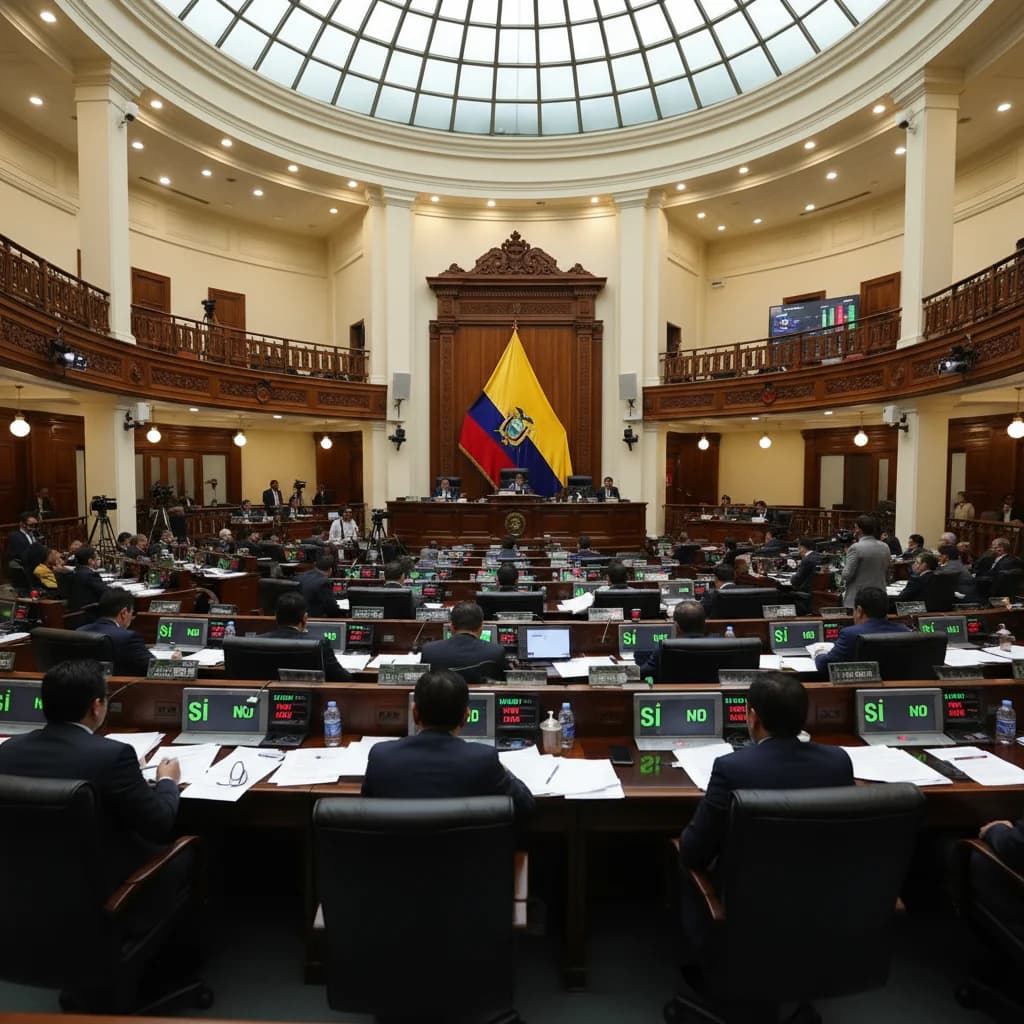
On March 3, 2026, U.S. Special Operations forces began joint military operations in Ecuador alongside the country's armed forces and national police. The operations were authorized under a bilateral security agreement between the United States Southern Command (SOUTHCOM) and Ecuador's Ministry of Defense, with the stated objective of combating narco-trafficking organizations and dismantling criminal networks that have plunged Ecuador into its worst security crisis in modern history.
The U.S. military presence includes Special Forces advisors and operators, intelligence personnel, and logistical support teams. SOUTHCOM has not disclosed the exact number of US personnel deployed, citing operational security. The operations are concentrated in Ecuador's coastal lowlands — the epicenter of drug trafficking violence — rather than in the highland cities where most expats live.
This is the first deployment of U.S. Special Operations forces to Ecuador for active joint combat operations, marking a significant escalation from previous cooperation that was limited to training, equipment transfers, and intelligence sharing.
The Curfew
In conjunction with the intensified military operations, President Daniel Noboa declared a state of exception and imposed a nightly curfew from 11:00 PM to 5:00 AM in four coastal and lowland provinces:
| Province | Capital City | Duration | |----------|-------------|----------| | Guayas | Guayaquil | March 15–31, 2026 | | El Oro | Machala | March 15–31, 2026 | | Los Rios | Babahoyo | March 15–31, 2026 | | Santo Domingo de los Tsachilas | Santo Domingo | March 15–31, 2026 |
The curfew does not apply to the highland provinces (Pichincha/Quito, Azuay/Cuenca, Tungurahua/Ambato, Loja/Vilcabamba) or the northern border provinces. Expats living in Cuenca, Quito, Cotacachi, Vilcabamba, and other Sierra cities are not affected by the curfew.
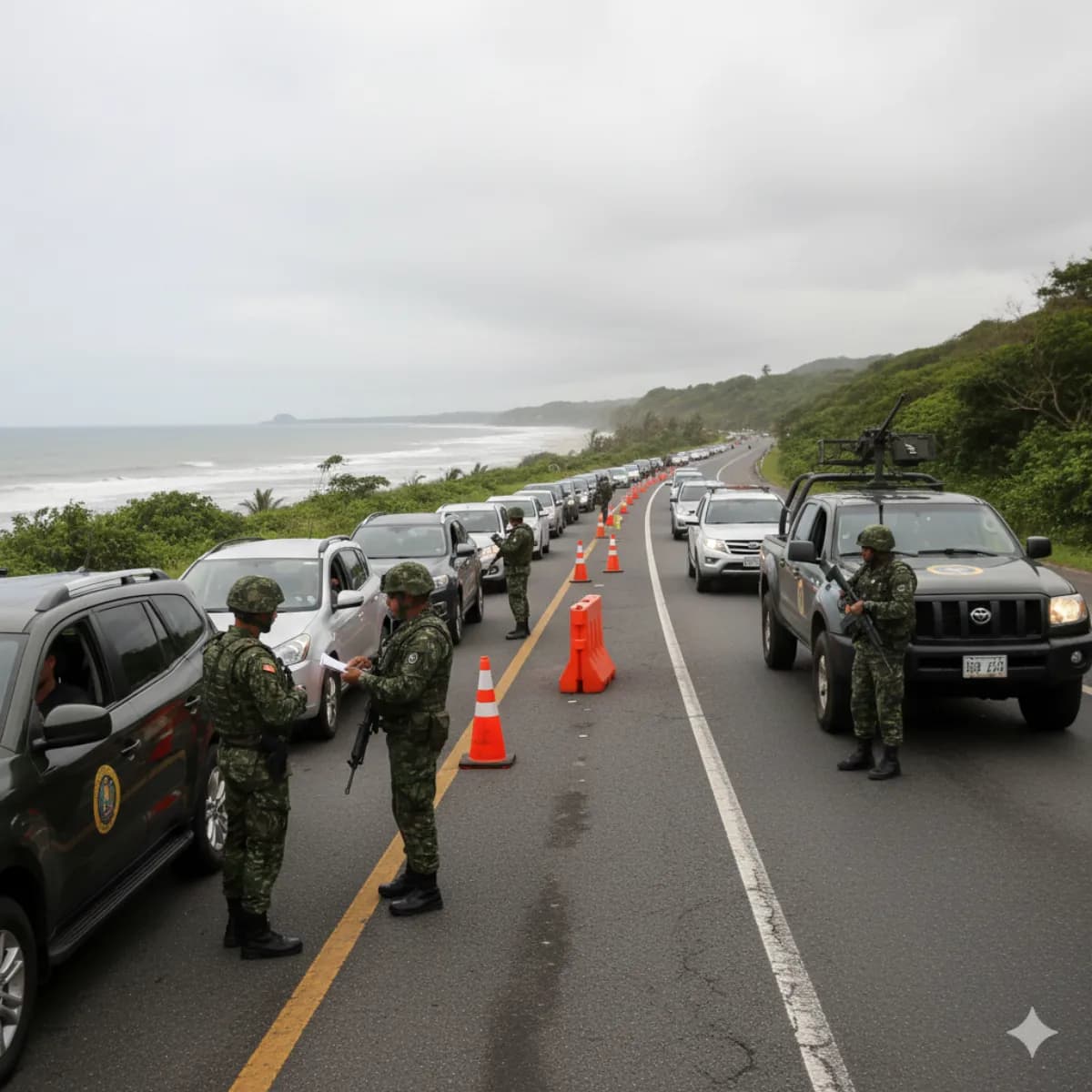
As of March 21, 253 people have been arrested for curfew violations in the four affected provinces, according to Ecuador's Joint Command of the Armed Forces. Violators face fines and up to 24 hours of detention. The military and police have established checkpoints on major highways and urban thoroughfares in the curfew zones.
The 75,000-Troop Deployment
The curfew is part of a broader military mobilization. Ecuador has deployed 75,000 troops — including army, navy, marines, and national police special units — in what the government calls Operacion Fenix 2026. The operation targets:
- Drug trafficking organizations operating in Guayaquil, Duran, Machala, and coastal port cities
- Illegal mining operations in El Oro and southern provinces that fund criminal groups
- Weapons caches and explosive storage sites used by gangs
- Extortion networks that have terrorized small businesses, particularly in Guayaquil
The 75,000-troop figure represents the largest domestic military deployment in Ecuador's history, surpassing the January 2024 internal armed conflict declaration that deployed approximately 30,000 troops.
SOUTHCOM's Role
The United States Southern Command, headquartered in Miami, is coordinating the US military contribution. SOUTHCOM commander General Laura Richardson (who visited Ecuador in February 2026) has described Ecuador as a "critical partner" in the Western Hemisphere counter-narcotics mission.
US support includes:
- Special Operations forces conducting joint operations with Ecuadorian counterparts
- Intelligence, surveillance, and reconnaissance (ISR) assets including aerial surveillance
- Training and advisory support for Ecuadorian military units
- Coast Guard cooperation for maritime interdiction of drug shipments
- Equipment transfers including communications gear, night vision, and armored vehicles
The operations are legally structured as "security cooperation" rather than combat deployments, which allows the US to avoid the Congressional notification requirements that would apply to a formal military engagement. This distinction is politically important in both Washington and Quito.
U.S. Embassy Security Alert
The U.S. Embassy in Quito issued a security alert on March 14 advising American citizens in Ecuador to:
- Obey all curfew orders in affected provinces
- Carry identification at all times, including passport or cedula
- Avoid large gatherings and demonstrations
- Monitor local media for updates on the state of exception
- Enroll in STEP (Smart Traveler Enrollment Program) if not already enrolled
The Embassy noted that US citizens who violate curfew orders are subject to Ecuadorian law and cannot claim diplomatic immunity or special treatment.
What This Means for Expats
- If you live in the highlands (Cuenca, Quito, Vilcabamba, Cotacachi), the curfew does not affect you. Daily life in the Sierra continues normally. The military operations and curfew are focused on the coastal lowlands where narco-trafficking violence is concentrated
- If you live in or travel to Guayas, El Oro, Los Rios, or Santo Domingo, obey the curfew strictly. Being out between 11 PM and 5 AM risks arrest. Carry your passport or cedula at all times. If you have late flights into Guayaquil airport, carry your boarding pass as documentation
- The US military presence is a stabilizing factor. Joint operations with American Special Forces bring intelligence capabilities, operational discipline, and political backing that Ecuador's military lacks on its own. This is a long-term positive for security
- Do not photograph or film military operations or checkpoints. Ecuador's state of exception includes restrictions on recording military activities. Violating this can result in detention and confiscation of equipment
- This does not mean Ecuador is a war zone. The operations target specific criminal organizations in specific geographic areas. The vast majority of Ecuador — including all major expat communities — is not experiencing active military operations. Context matters: the US military operates in dozens of countries worldwide under similar cooperation frameworks
- Stay enrolled in STEP. If you are a US citizen and have not enrolled in the Embassy's Smart Traveler Enrollment Program, do so at step.state.gov. This ensures you receive security alerts and the Embassy can contact you in an emergency
Sources: Al Jazeera, Washington Post, SOUTHCOM, U.S. Embassy Quito
More in Safety
View all →Keep practical Ecuador coverage free to read.
Reader support helps fund source monitoring, translation, editing, publishing, and national coverage for expats across Ecuador.
EcuaPass
Your Ecuador Visa, Done Right
Retirement • Professional • Investor • Cedula processing & renewals — start to finish by licensed experts.
Get a Free Consultationecuapass.com
Need help with your Ecuador visa? EcuaPass handles the paperwork for you. Learn more →
Comments
No comments yet. Be the first to share your thoughts!