Ecuador Customs Revenue Reaches USD 168.57 Million in One Week

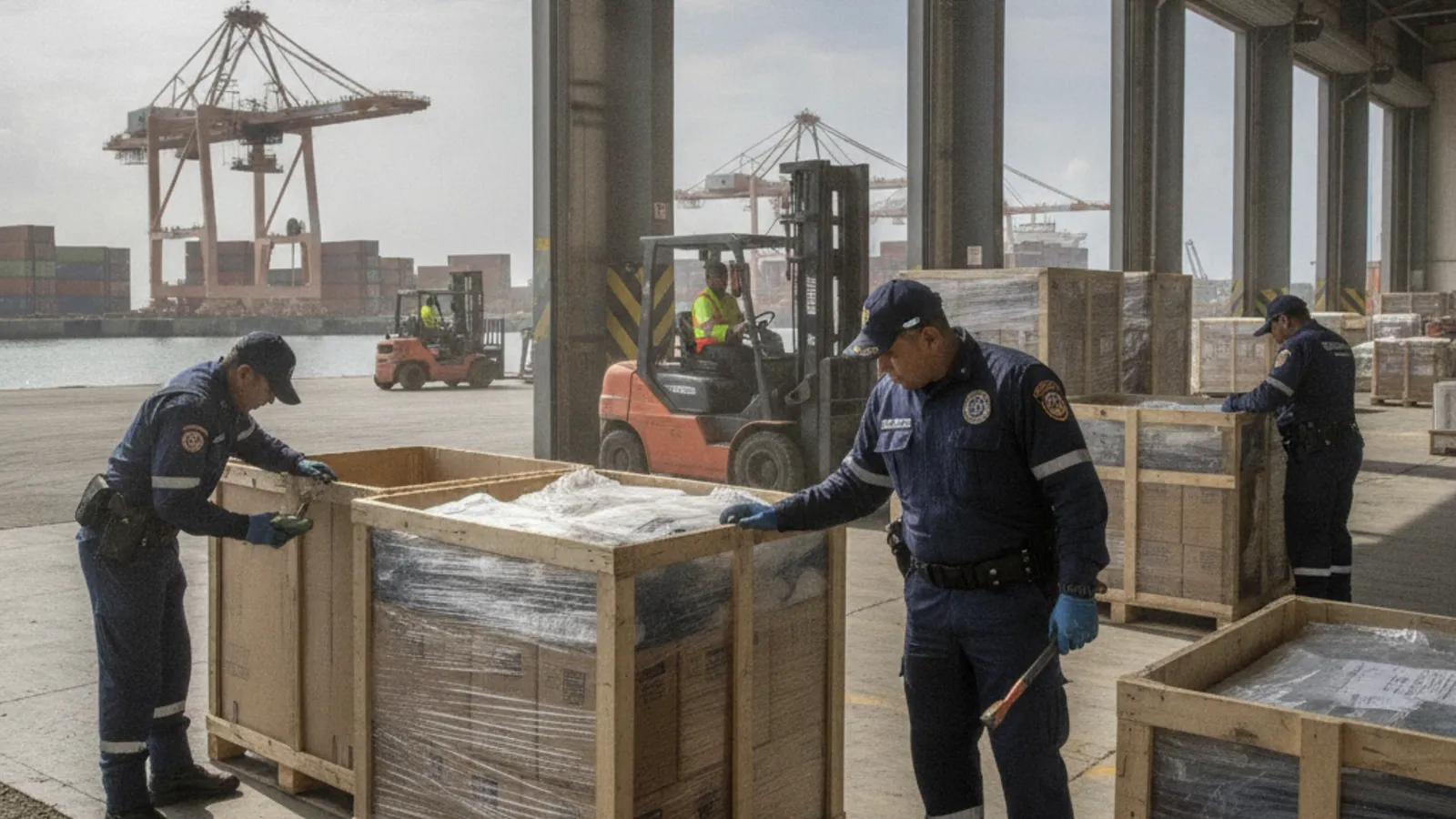
Ecuador’s customs revenue reached a new weekly record of USD 168.57 million, according to figures reported by the Servicio Nacional de Aduana del Ecuador (Senae) on August 11, 2026. The result was 7.8% above the previous record of USD 156.38 million and 74% above the average of the previous 52 weeks.
The result gives a useful snapshot of the scale of Ecuador’s import economy and the revenue collected as goods pass through customs.
Guayaquil generated most of the week’s total
The Guayaquil Maritime District collected USD 102.83 million. That was a 41.32% increase compared with the same period in 2025, and it represented 151.12% of the district’s weekly projection.
The district’s performance matters because Guayaquil is a central entry point for goods entering Ecuador. It does not mean that every importer paid more or that every category of product grew by the same amount. The figures describe customs revenue collected during one week, not a universal change in an individual shipment’s tax bill.
What Senae says the numbers show
Senae connected the result with the dynamism of foreign trade and the work of its teams to facilitate trade that is agile, secure, and efficient. The agency also linked the result to stronger controls and compliance with customs rules.
The customs service said its control work includes operations against the illicit trade of cigarettes, alcoholic beverages, clothing, and other merchandise that enters or is sold outside the law.
That combination is important. A revenue record can reflect the value and volume of goods moving through the system, but it also reflects assessment, payment, compliance, and enforcement. Senae’s own explanation presents the record as both a trade signal and a control result.
What This Means for Expats
Confused about which visa fits your situation? Book a 30-minute consultation with Chip for $100 and leave with a clear plan.
Book a consultationForeign residents who import household goods, vehicles, commercial inventory, or packages should read the record as a reminder that customs compliance is an active part of Ecuador’s trade system. A weekly revenue record does not change a specific tariff, exemption, or import deadline by itself.
The practical questions for any shipment remain the product classification, the declared value, the documentation, and the applicable customs process. People should not infer from the record that a particular package will face a new charge without checking the rules for that shipment.
For businesses, the data is a broader signal: Guayaquil’s customs activity is large enough that changes in controls, processing, or documentation can affect delivery timing and landed costs. Keep customs records organized and separate a national revenue headline from the legal requirements that apply to a specific import.
Source: El Universo
That distinction is important for expats who occasionally import personal goods. The record is a macroeconomic signal and should not be read as evidence that an individual shipment has been reclassified, delayed, or assessed under a new rule.
More in Economy
View all →Keep practical Ecuador coverage free to read.
Reader support helps fund source monitoring, translation, editing, publishing, and national coverage for expats across Ecuador.
Need help with your Ecuador visa? EcuaPass handles the paperwork for you. Learn more →
Comments
No comments yet. Be the first to share your thoughts!