Ecuador Sets Aside More Than USD 1.3 Million to Protect Schools Before El Nino

Ecuador's Ministry of Education, Sport and Culture says it will allocate more than USD 1.3 million to prevention, mitigation, and preparation for possible effects of the El Nino phenomenon.
The announcement matters to families with children, teachers, employers, and residents who depend on schools remaining open during severe weather. It also gives a concrete view of how the government is translating a national risk warning into physical work and emergency equipment.
The institutions receiving priority
For 2026, the ministry says it has prioritized 264 educational institutions for preventive interventions. The selection is based on technical criteria including exposure, vulnerability, and the recurrence of adverse events.
The ministry says the strategy is designed to protect the education community, reduce risk, and guarantee continuity of educational service. The source does not publish a school-by-school list in the article, so households should not assume that every school is included in the first round of work.
Where the money goes
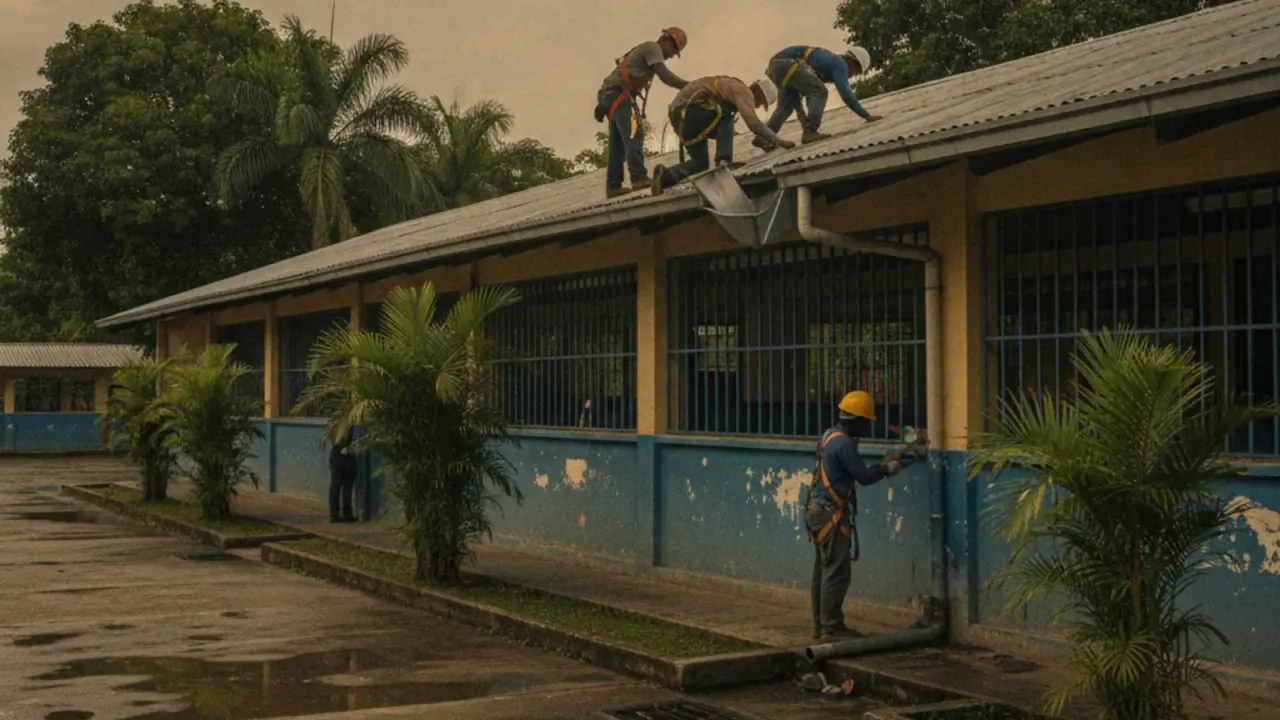
The largest identified allocation is USD 1,044,000 for infrastructure interventions. The listed work includes roofs, leaks, pipes, gutters, waterproofing, and drainage.
The ministry is also allocating USD 310,000 for flood-mitigation kits. The equipment includes pumps, pressure washers, electric generators, and accessories. The ministry says these kits will be distributed in prioritized areas using technical risk criteria.
The combination matters. Infrastructure work addresses recurring physical weaknesses, while mobile equipment can help institutions respond when water enters a facility or drainage systems are overwhelmed.
The alert picture
The report says 17 of Ecuador's 24 provinces moved from yellow to orange alert. The ministry responded by increasing monitoring of schools in risk areas, tracking infrastructure interventions, and coordinating with other institutions.
It also says community work will include cleaning drains, removing waste, and preventing water accumulation. The ministry is coordinating with the Ministry of Public Health on prevention of vector-borne diseases.
What This Means for Expats
Families should ask their school or local education authority whether the institution is included in the prioritized work, what continuity plan applies, and how weather-related notices will be communicated. The ministry says the national education response plan covers prevention, preparation, response, recovery, and continuity, but the article does not establish the exact operating plan for every school.
For everyone else, the useful signal is execution. The budget announcement identifies the kinds of infrastructure and equipment being funded; the next thing to watch is whether the work is completed before adverse conditions arrive and whether schools maintain service when local drainage or access is affected.
Source: Primicias
The announcement also gives households a useful checklist for conversations with school administrators: ask what drainage problems have been identified, whether emergency equipment is available locally, and how parents will receive notices if a school day is disrupted. Those questions do not require a family to predict the weather; they simply clarify what the institution will do if conditions change.
It is also worth separating a national alert from the condition of one neighborhood. A province can be on orange alert while individual schools face very different exposure and drainage conditions. The ministry's reference to technical prioritization is why a school's own notice remains more useful than a general assumption about every institution in the country.
More in Safety
View all →Cuenca Conducts Extensive Simulations to Bolster El Niño and Earthquake Preparedness Amidst Regional Challenges
September 23, 2026
Multiple Forest Fires Ravage Cuenca and Azuay Province, Authorities Urge Caution
September 22, 2026
Ecuador Sees Rise in Illegal Deposit-Taking Crimes, Concentrated in Sierra Region
September 20, 2026
Keep practical Ecuador coverage free to read.
Reader support helps fund source monitoring, translation, editing, publishing, and national coverage for expats across Ecuador.
Need certified English-Spanish translations? EcuadorTranslations handles apostilled documents for visas and residency. Learn more →
Comments
No comments yet. Be the first to share your thoughts!