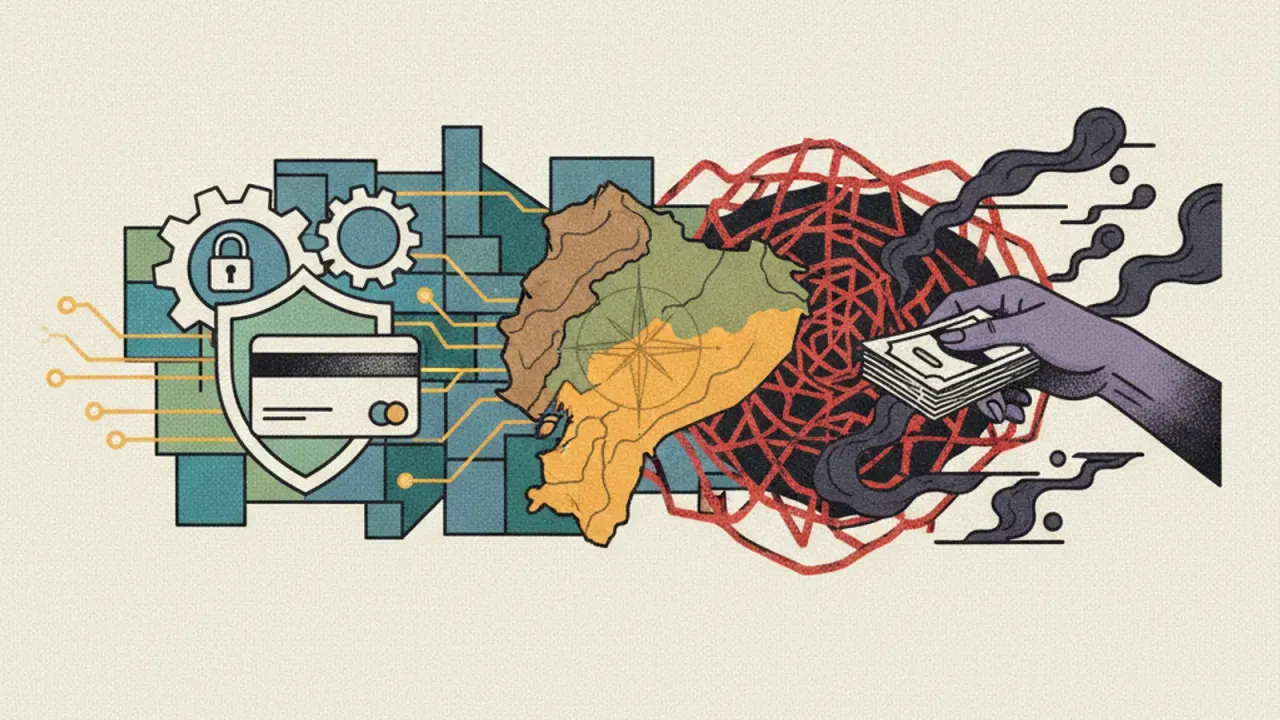
1.2 Tons of Cocaine Found in Banana Export Cargo Bound for Spain

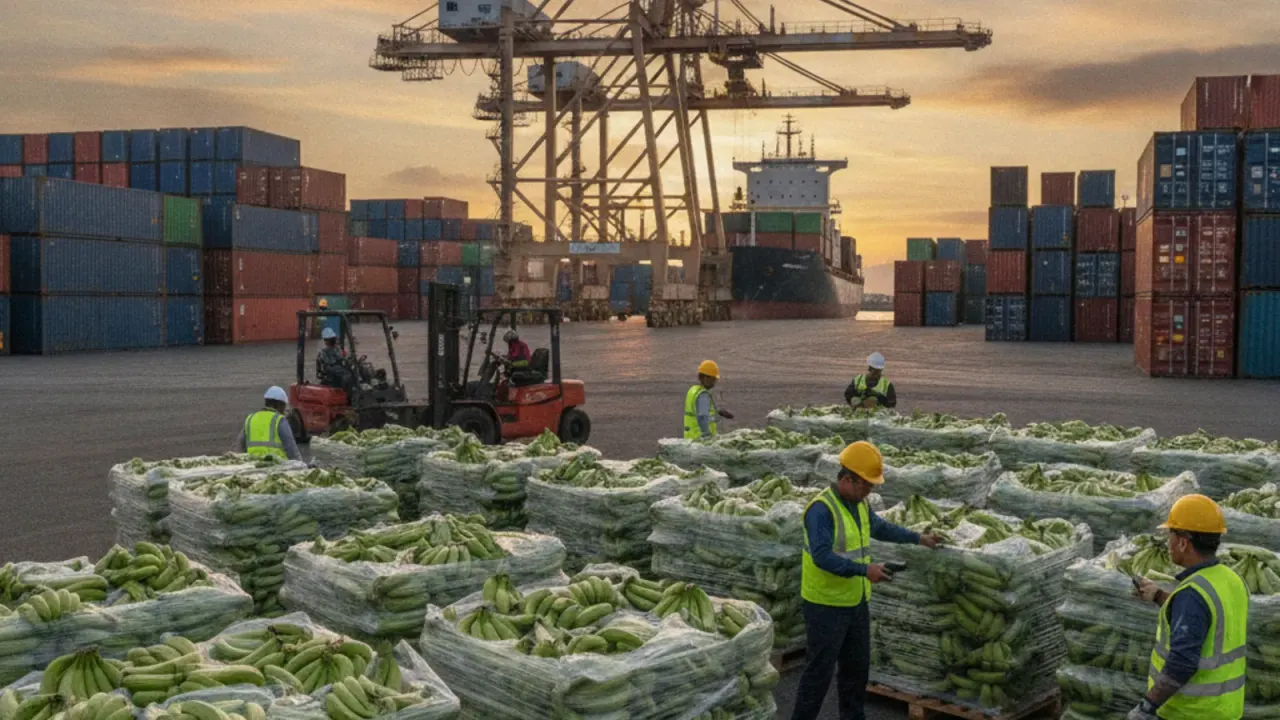
Ecuadorian police seized 1.2 tons of cocaine hidden in 1,080 boxes of export bananas at the Port of Guayaquil. The cargo was intended for Spain, and the operation was reported on August 8, 2026.
The seizure is a security story, but it is also a trade and logistics story. Ecuador's export chain depends on containers, seals, inspections, ports, carriers, and overseas buyers. A large contamination case puts attention on the controls around legitimate agricultural cargo without establishing that the product, exporter, or destination company was knowingly involved.
What authorities reported
The Policia Nacional said the cocaine had been hidden in banana export boxes. John Reimberg, the interior minister, said one container and three security seals were retained.
The estimated value of the load was USD 37.58 million in the United States and USD 58.57 million in Europe. Those are destination-market estimates cited in the report, not a statement about the value of the bananas or the financial loss to a particular exporter.
No suspect was detained at the Port of Guayaquil in this operation, according to the article. That means the seizure and the criminal investigation are separate from any conclusion about who organized the shipment or how it entered the export chain.
A wider sequence of seizures
The report describes the seizure as larger than a discovery made one day earlier, when authorities found 46.8 kilograms in 50 packages hidden in the refrigeration panels of a container bound for Poland. One person was detained in that earlier operation.
The two incidents followed Operation Mondragon, which authorities said exposed an international trafficking network connected to ports in Guayaquil. On August 5, authorities detained 36 Ecuadorians and eight Spaniards in that operation, according to the report.
The article also says authorities estimate that up to 70% of cocaine going to the United States and Europe leaves from Guayaquil. That is the source's reported estimate and not a measure of the share of all containers or all banana exports affected by criminal activity.
What This Means for Expats
For residents and businesses, the practical implication is to distinguish between a security-control event and a broad conclusion about ordinary commerce. A seizure can create delays, tighter inspections, and more compliance questions for legitimate exporters, but the report does not identify a general closure of the port or a suspension of banana shipments.
Businesses connected to food exports should watch for official guidance on container inspections, seal integrity, and documentation. Consumers should avoid drawing conclusions about a specific brand or farm unless authorities identify one.
Source: Primicias
The distinction between contamination and complicity is especially important in a commodity chain. A producer, packing facility, carrier, or overseas buyer may appear in the paperwork without the report establishing knowledge of the concealment. The facts support attention to controls; they do not support assigning blame to an unnamed commercial participant.
The case also illustrates why a port-security event can matter beyond the immediate criminal investigation. Exporters may face questions from carriers, insurers, customs officials, and customers after a container seizure. Those consequences are possible risk-management effects, not reported outcomes from this particular operation, so they should be monitored rather than assumed.
More in Safety
View all →Cuenca Conducts Extensive Simulations to Bolster El Niño and Earthquake Preparedness Amidst Regional Challenges
September 23, 2026
Multiple Forest Fires Ravage Cuenca and Azuay Province, Authorities Urge Caution
September 22, 2026
Ecuador Sees Rise in Illegal Deposit-Taking Crimes, Concentrated in Sierra Region
September 20, 2026
Keep practical Ecuador coverage free to read.
Reader support helps fund source monitoring, translation, editing, publishing, and national coverage for expats across Ecuador.
Need help with your Ecuador visa? EcuaPass handles the paperwork for you. Learn more →
Comments
No comments yet. Be the first to share your thoughts!