Ecuador Sets Four Conditions for Private-School Fee Increases


Ecuador’s Ministry of Education has set out four cases in which private and fiscomisional schools may request higher tuition or enrollment fees for 2026. Primicias published the explanation on August 19, 2026 at 16:41.
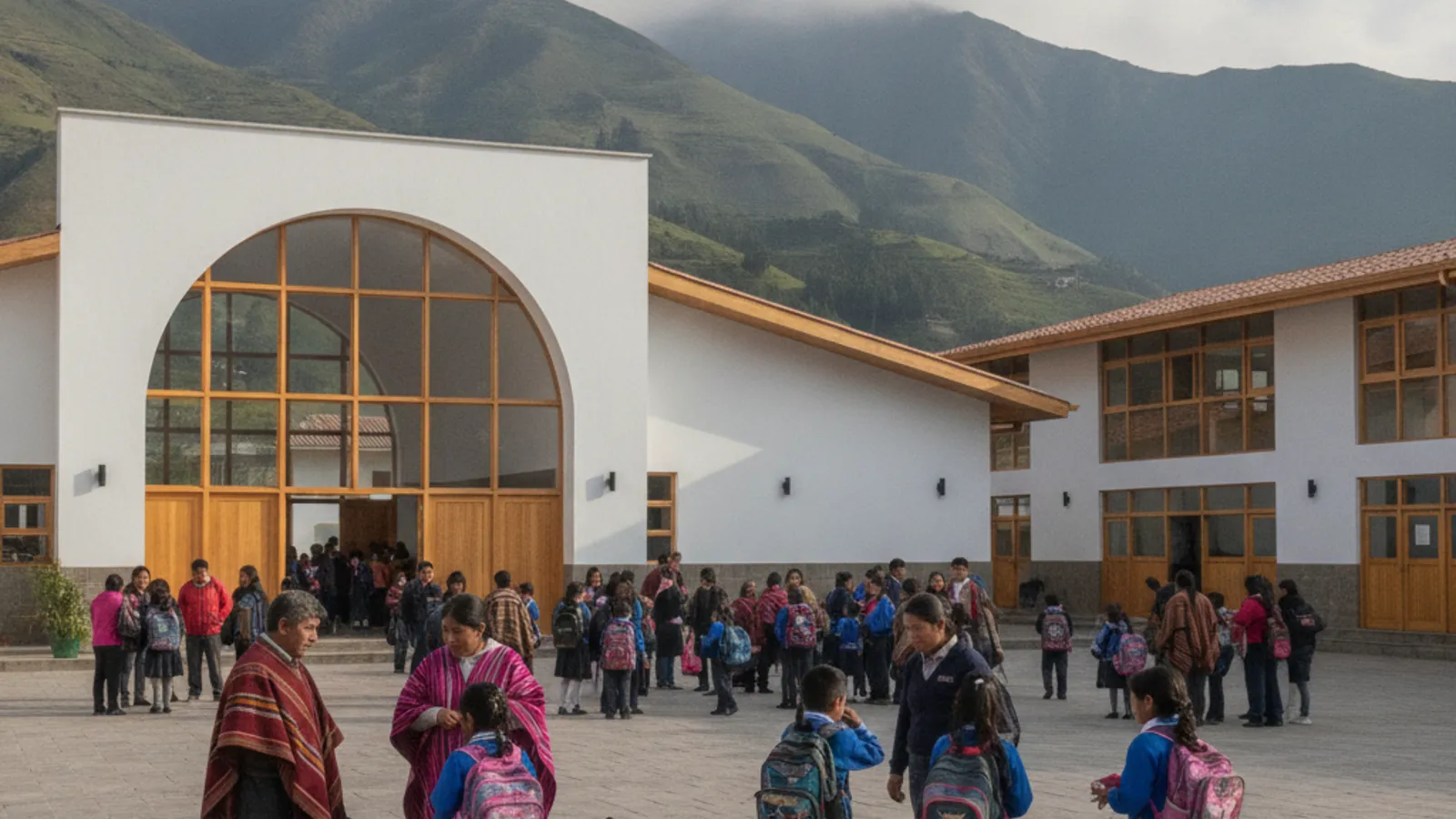
The rules matter to expat families because the start of the Sierra–Amazonía school year is close. The report says about 1.7 million students will return to classrooms in the Sierra and Amazonía during the first weeks of September, including about 480,000 in private or fiscomisional institutions.
The four routes
The first three routes relate to additional investment by the school:
- Educational-management investment, such as increasing teaching or administrative staff, raising salaries to support labor stability, staff training, library investment, international accreditation, or other quality-improvement programs.
- Educational infrastructure, including land, buildings, construction, adaptations, and improvements to leased property.
- Educational and technological resources, including paid education platforms, computers, internet connections, communications equipment, and essential educational furniture.
The fourth route is an increase intended to guarantee employment sustainability. A school must explain that the increase is being used to secure stable jobs under fair and adequate working conditions for teachers.
Limits and approval process
An investment-related increase can be requested every two years, and its maximum rate is limited by the Central Bank interest rate for education, which the report gives as 9.5% in August 2026. An employment-sustainability increase can be requested each year and is limited by the percentage change in the Unified Basic Salary; the change from 2025 to 2026 was 2.553%.
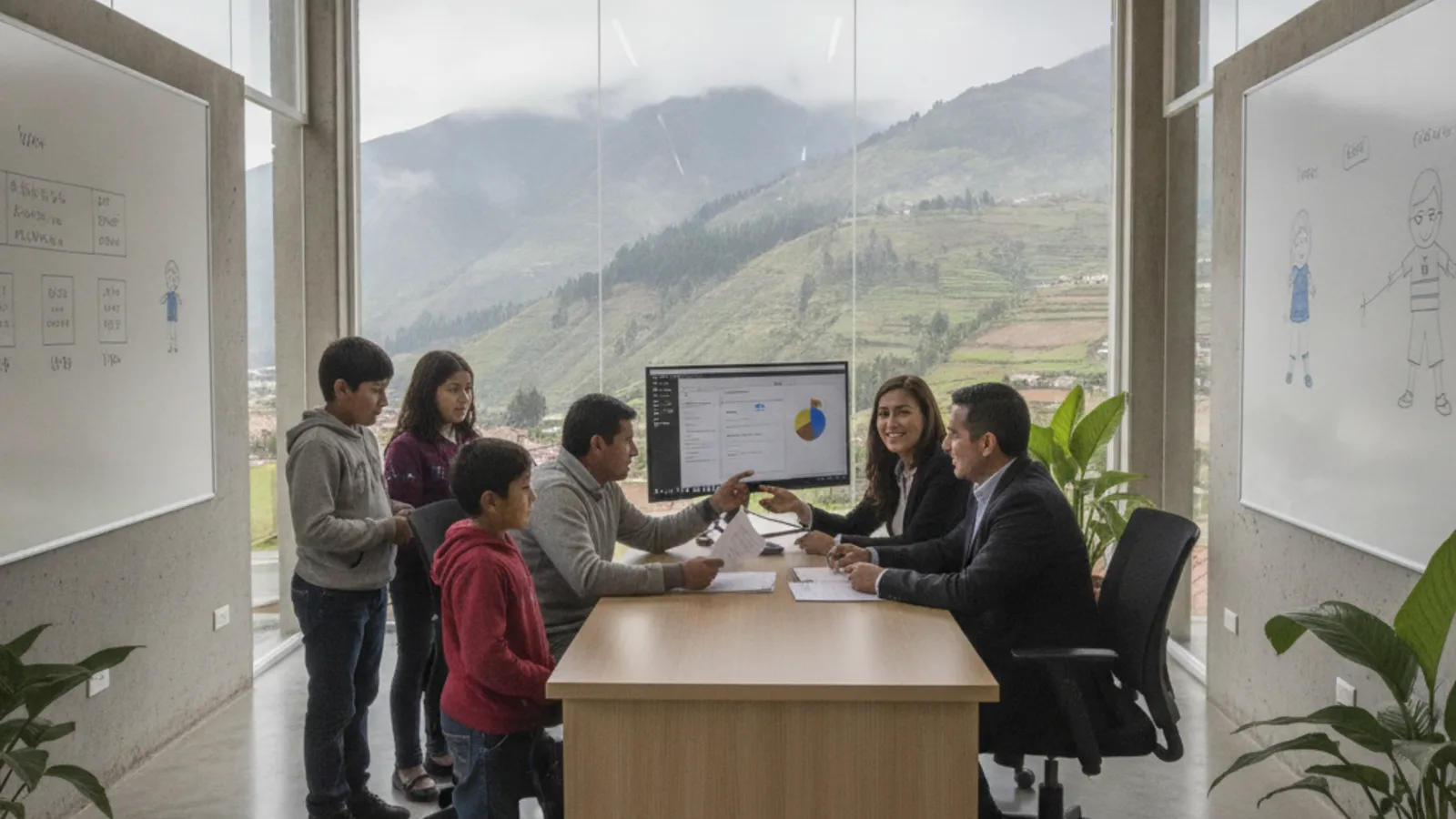
Schools with a valid operating permit must submit a request to their local Educational District, identifying the route, requested percentage, and supporting documents. For investment, the school must detail the investments planned for the next two years. For employment sustainability, it must submit a projected cash flow for the same period.
The District issues a resolution when the school meets the requirements. Families can request the complete cost resolution for a specific institution from the Ministry using the contact process described in the source.
What this means for expats
Confused about which visa fits your situation? Book a 30-minute consultation with Chip for $100 and leave with a clear plan.
Book a consultationIf a school announces a higher fee, ask whether the increase was authorized and which of the four routes was used. A school’s explanation is not the same as the Ministry’s approval. Keep the written fee notice and request the supporting resolution if the amount is unclear.
The source also lists complaint channels, including the Ministry’s 1-800-338222 telephone line, Educational District offices, the online Ministry page, and official email addresses. This is a fee-authorization framework, not a guarantee that every family will pay the same amount or that every school will seek an increase.
Source: Primicias
The useful paper trail is therefore the school’s notice, the route it says it is using, and the District resolution connected to that request. Parents do not need to infer the legal basis from a new invoice alone. They can compare the stated percentage with the route described by the Ministry and ask the institution to identify the supporting decision. Keeping those records also makes a later question easier to answer, especially when a family is moving between schools or planning its education budget for the next two years.
More in Lifestyle
View all →Keep practical Ecuador coverage free to read.
Reader support helps fund source monitoring, translation, editing, publishing, and national coverage for expats across Ecuador.
Want to improve your Spanish? Learn online with native speakers on Italki. Learn more →
Comments
No comments yet. Be the first to share your thoughts!