Ecuador Opens The 2026 Local-Election Calendar

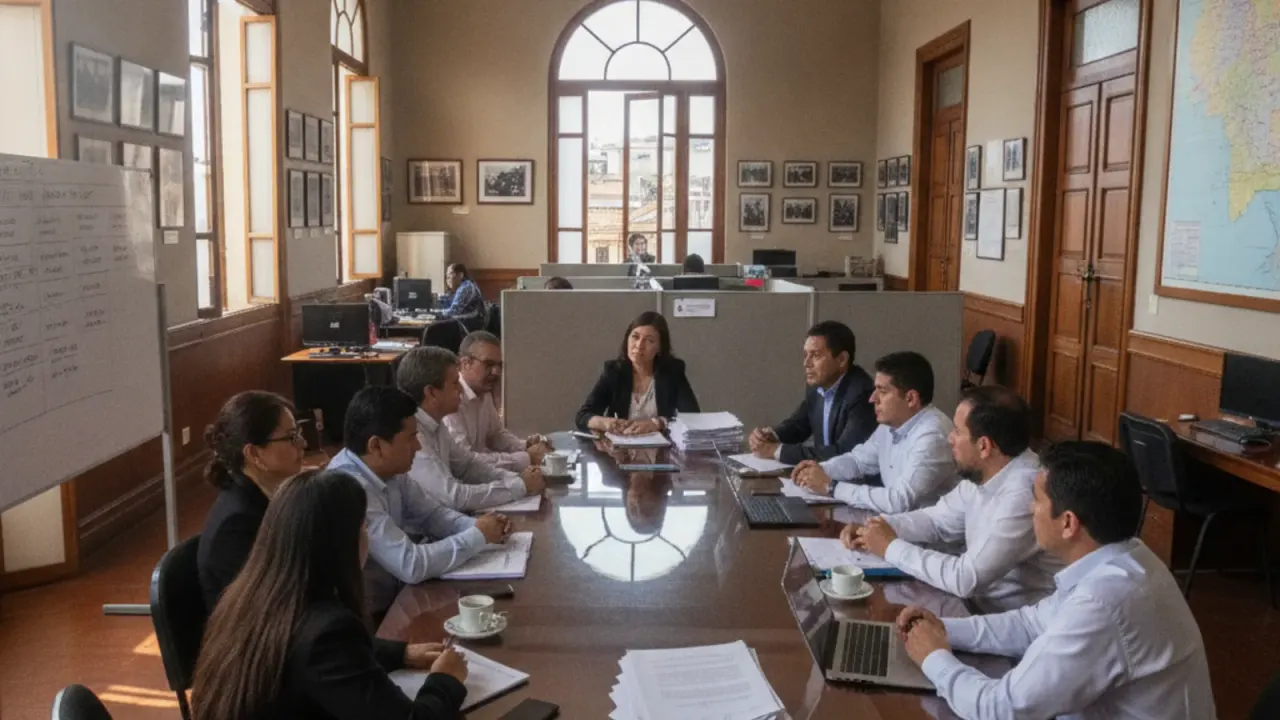
Ecuador's local-election process is now active. The National Electoral Council called the elections for prefects, mayors, council members, parish-board members, and the Council for Citizen Participation and Social Control.
Key dates
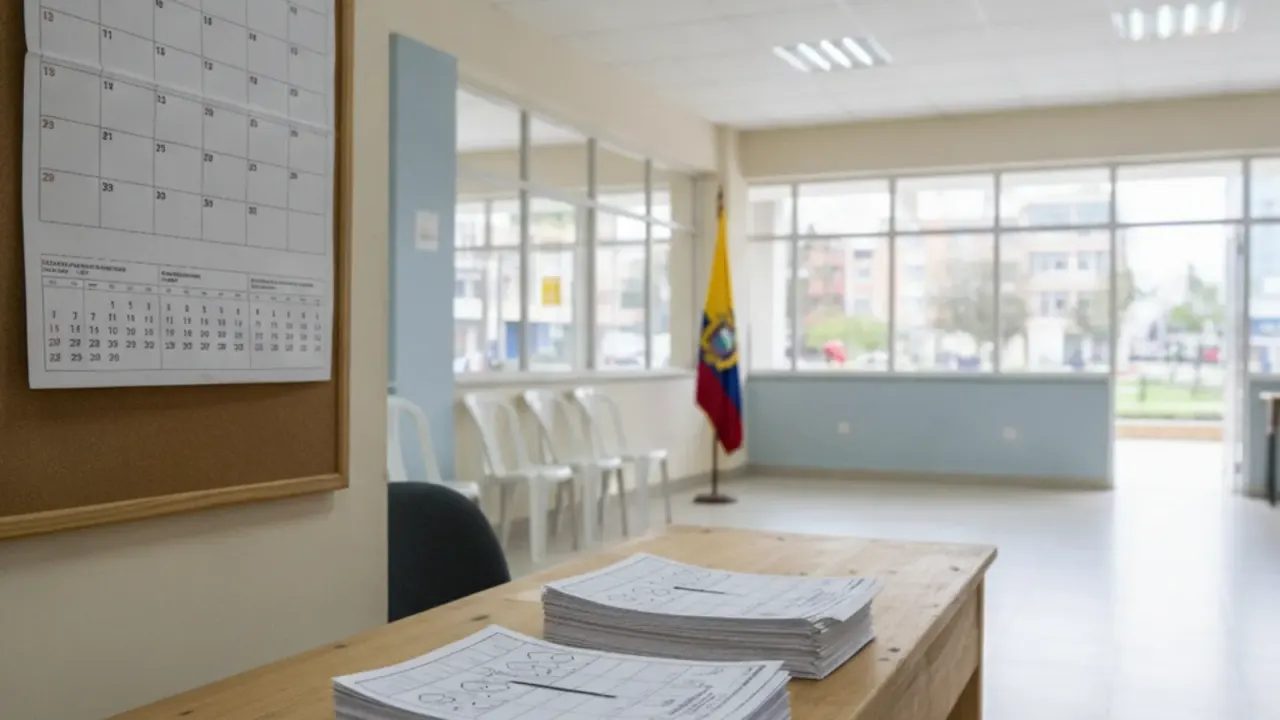
Candidate registration for the seccional elections runs from August 2 through August 17, 2026. The national voting day is November 29, 2026. The official campaign period is scheduled for November 12 through November 26.
The election will choose 23 prefects and vice prefects, 222 mayors, 909 urban council members, 457 rural council members, 4,131 principal members of rural parish boards, and seven members of the CPCCS.
The CNE says about 13.8 million Ecuadorians are eligible to vote. The election call means Ecuador has entered its sixth electoral process in less than four years, including referendums and consultations.
Why expats should follow it
The local-election cycle will shape the officials responsible for many of the services expats deal with in daily life: municipal procedures, local mobility, permits, public works, neighborhood security, and other city or provincial decisions.
The calendar is especially useful because this election was moved forward. The vote was initially expected on February 14, 2027, but the CNE moved it to November 29 after a risk report warned that heavy rain and flooding could affect voting locations, transport of electoral materials, and vote-processing centers.
That makes this more than a distant political event. Municipal and provincial offices are the level of government that residents encounter when they need a permit, follow a road project, ask about local transport, or track a neighborhood service. A change in local leadership can affect priorities even when the national government remains the same.
The CNE also said 50% of the lists will be headed by women and guaranteed participation of at least 25% young candidates. Those are requirements to watch as party lists take shape, not a final description of who will appear on every ballot.
The registration period will also be the point at which early announcements begin to separate from formal candidacies. Alliances, list order, and qualification decisions can matter as much as the first announcement of a campaign. Residents who follow the process should save the official dates and wait for the CNE's formal information rather than treating a social-media post as a completed candidacy.
It is also a useful calendar for people who maintain a home, business, or family connection in more than one Ecuadorian city. A provincial decision may affect a road, a permit, a local service, or a neighborhood even when the issue never becomes national news. Following the registration stage gives residents time to identify the candidates connected to the places where they actually live and work.
The next checkpoint is registration. Once the formal candidate field is clearer, residents will have a better basis for comparing local platforms instead of relying on early announcements or social-media speculation.
More in government-services
View all →Keep practical Ecuador coverage free to read.
Reader support helps fund source monitoring, translation, editing, publishing, and national coverage for expats across Ecuador.
Need help with your Ecuador visa? EcuaPass handles the paperwork for you. Learn more →
Comments
No comments yet. Be the first to share your thoughts!