Cuenca Adopts Climate Action Plan — Bloomberg Philanthropies Awards $150K for Youth Projects
 Chip Moreno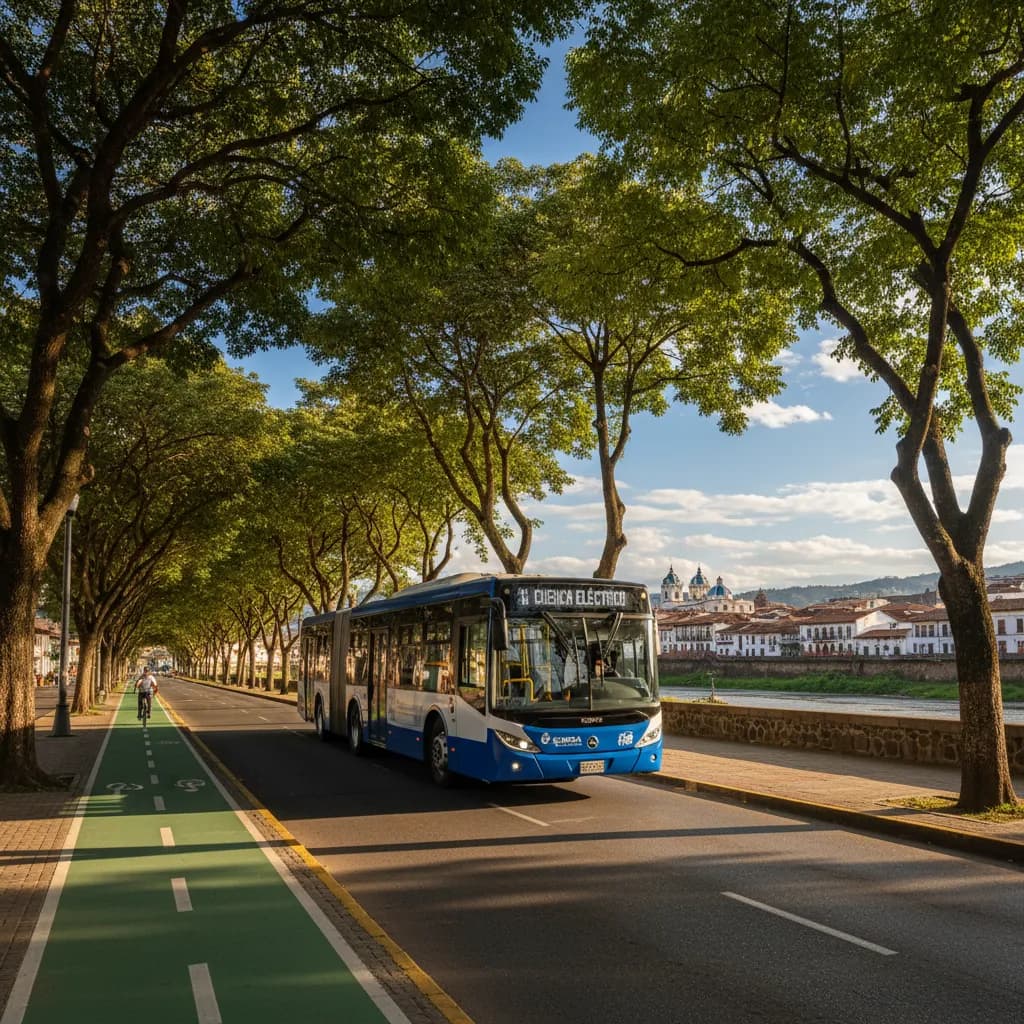
GET YOUR ECUADOR VISA HANDLED BY EXPERTS
Trusted by 2,000+ expats • Retirement • Professional • Investor visas
Cuenca is not just talking about climate — it is writing policy and securing international funding.
The Climate Action Plan
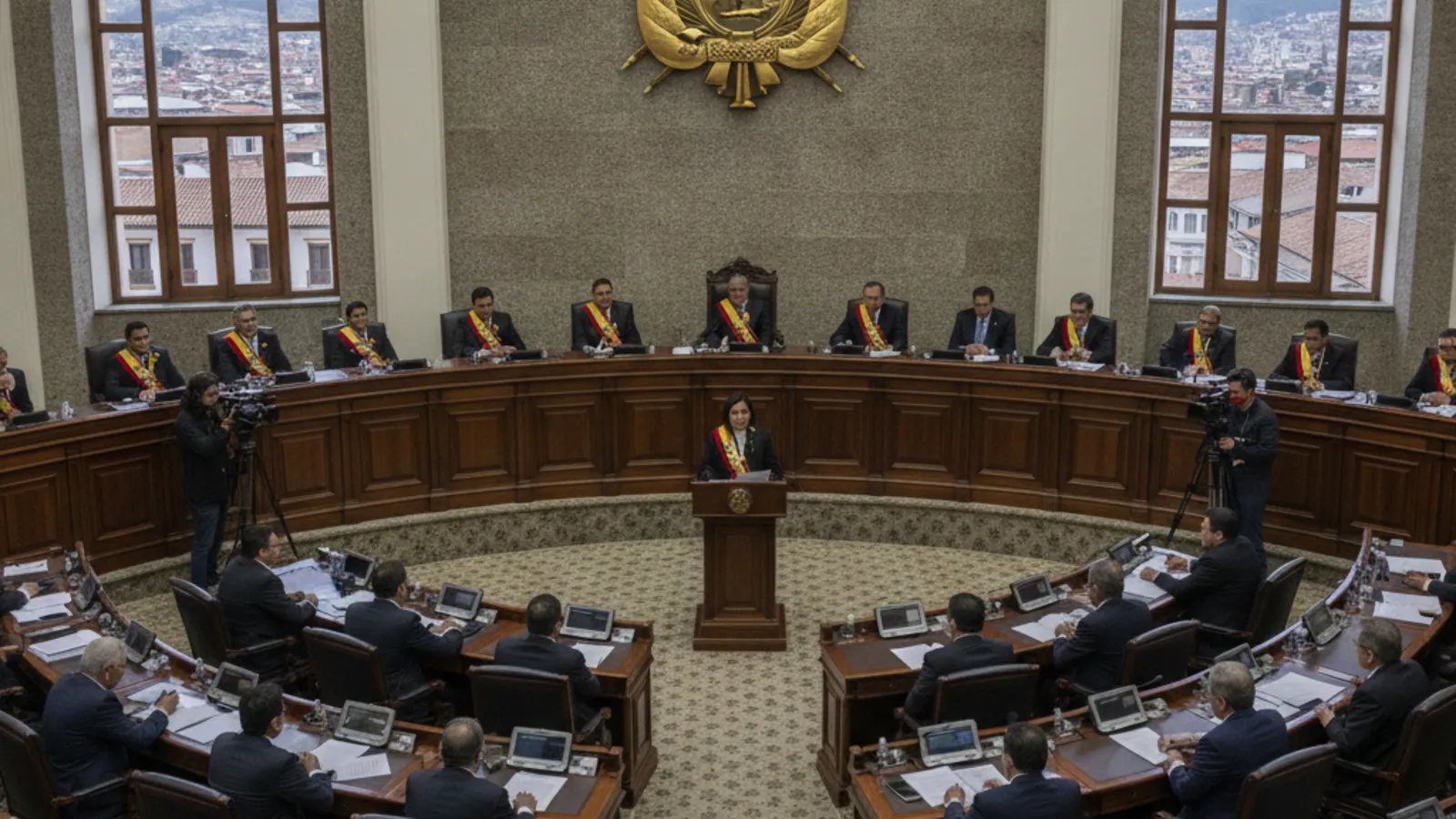
Cuenca's GAD Municipal (Gobierno Autonomo Descentralizado — the city's autonomous municipal government) has formally adopted a Climate Action Plan that establishes binding targets for emissions reduction, transportation electrification, and water source protection. The plan makes Cuenca the third Ecuadorian city — after Quito and Guayaquil — to adopt such a framework, and arguably the most ambitious given Cuenca's smaller size and higher per-capita commitment.
The plan was developed over 18 months in collaboration with international climate organizations and covers the period 2026-2035. Its key pillars include:
1. Electric Bus Deployment
The centerpiece of the plan is a commitment to electrify a significant portion of Cuenca's public bus fleet within the decade. Cuenca currently operates approximately 400 diesel-powered buses across its urban and suburban routes, managed primarily by private cooperatives under regulation from EMOV (Empresa de Movilidad — Cuenca's municipal transit and traffic agency).
The plan calls for:
- 50 electric buses deployed on high-traffic routes by 2028
- Charging infrastructure at bus terminals and strategic points throughout the city
- Financial mechanisms including international climate finance and green bonds to fund the transition
- Pilot programs with Chinese and European bus manufacturers who are competing for Latin American transit contracts
Cuenca already operates the Tranvia (tramway), which began service in 2020 after years of delay. The electric tram has demonstrated that Cuenca's public can embrace electric transit — extending that model to buses is a logical next step.
2. Water Source Protection
Cuenca's drinking water comes primarily from Cajas National Park and the paramo (high-altitude grassland) ecosystems that surround the city at elevations above 3,500 meters. These paramo sponge-like ecosystems absorb rainfall and release it slowly into rivers — a natural water filtration and storage system that provides clean water to over 600,000 people.
The climate plan includes:
- Expanded protection zones around key paramo watersheds
- Payment for ecosystem services programs that compensate highland communities for conservation
- Monitoring infrastructure — new hydrological stations to track water flow, quality, and glacial/paramo changes
- Climate modeling to predict how warming temperatures will affect paramo ecosystems and water availability
This matters because climate change threatens the paramo. Rising temperatures push the treeline higher, potentially converting paramo grassland to scrubland — fundamentally changing its water-storage capacity.
3. Urban Green Infrastructure
The plan also addresses Cuenca's urban environment:
- Expanded urban tree canopy — goal of increasing tree coverage in the urban core by 20%
- River corridor protection — enhanced green buffers along the Tomebamba, Yanuncay, Tarqui, and Machangara rivers
- Sustainable building standards for new construction
- Waste reduction targets including expansion of recycling programs and composting initiatives
The Bloomberg Grant
Bloomberg Philanthropies — the foundation of former New York City Mayor Michael Bloomberg — has awarded Cuenca $150,000 for youth-led environmental projects as part of its global urban climate initiative. The grant will fund:
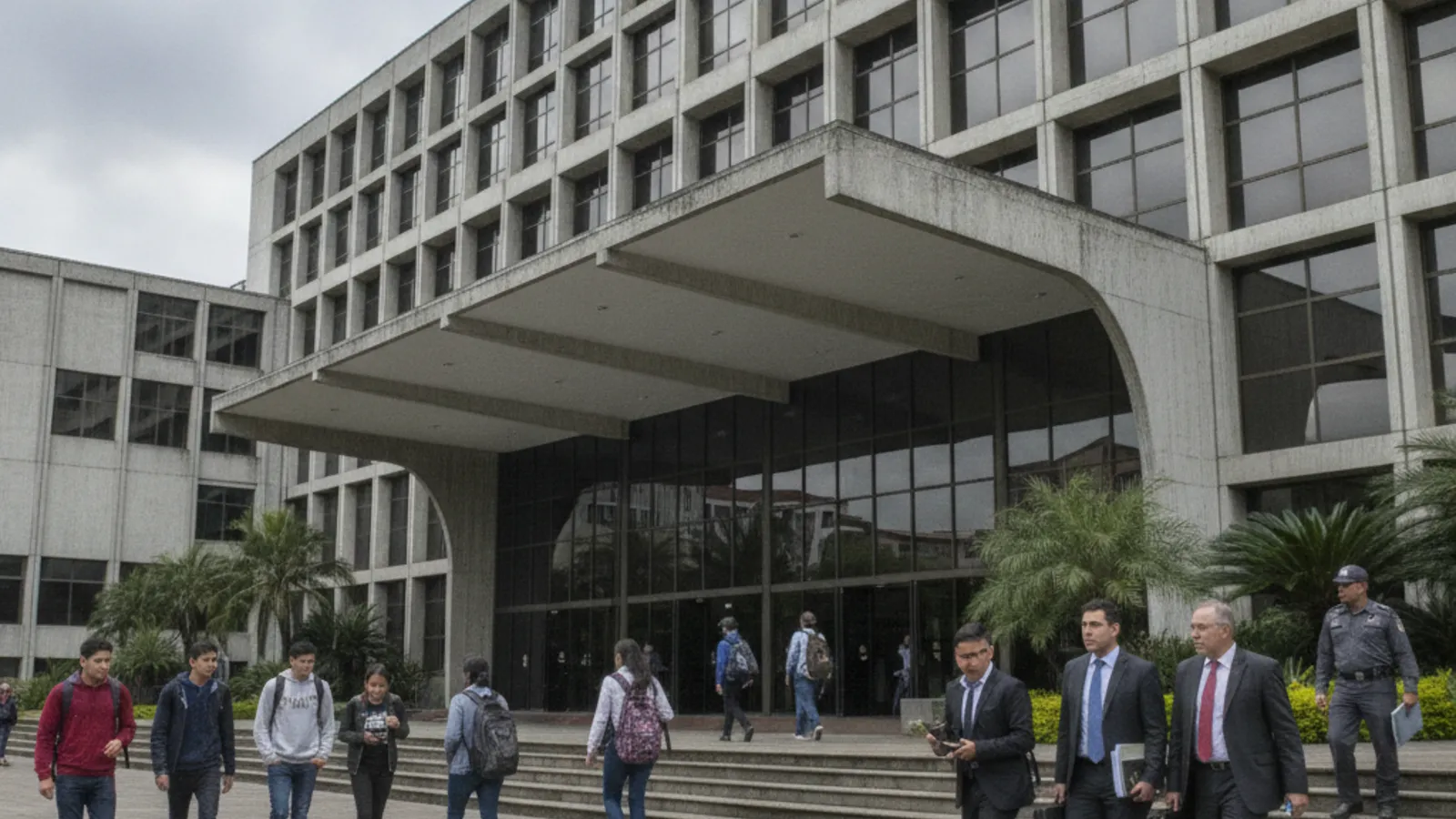
- Youth environmental leadership programs in Cuenca's public universities and colegios (high schools)
- Community-based conservation projects designed and implemented by young cuencanos
- Data collection and monitoring of urban environmental indicators
- Innovation challenges inviting young people to propose solutions to local climate challenges
The Bloomberg connection is significant because it places Cuenca in a global network of cities that the foundation supports — including Bogota, Mexico City, Lagos, and Mumbai. The international recognition elevates Cuenca's profile and opens doors to additional climate financing.
The Hydrological Reality of 2026
The climate plan arrives at an interesting moment for Cuenca's relationship with water. After years of drought — including the devastating 2024 energy crisis triggered by low hydroelectric reservoir levels — Cuenca has entered 2026 under what meteorologists are calling a "markedly different hydrological reality."
The current rainy season has delivered intense, sustained downpours that have:
- Filled the Mazar reservoir to over-capacity (it is currently discharging excess water)
- Secured hydroelectric reserves for the foreseeable future
- Caused flooding in low-lying neighborhoods along Cuenca's four rivers
- Triggered landslides on mountain roads surrounding the city
The paradox of climate change in the Andes is that it does not simply mean "less water" or "more water" — it means more extreme variability. Cuenca is experiencing both drought years and flood years with increasing frequency and intensity. The climate action plan is designed to build resilience against both extremes.
How Cuenca Compares
Cuenca's climate ambitions are notable in the Latin American context:
| City | Climate Plan Status | Electric Transit | Bloomberg Support | |------|-------------------|-----------------|------------------| | Bogota | Adopted 2020 | Electric bus fleet growing | Yes | | Santiago | Adopted 2018 | Largest electric bus fleet in Latin America | Yes | | Quito | Adopted 2023 | Metro opened 2024 | Yes | | Cuenca | Adopted 2026 | Tranvia + electric bus plan | Yes ($150K) | | Medellin | Adopted 2021 | Metro + cable cars | Yes |
Cuenca is smaller than all of these cities, which makes its climate ambitions both more achievable and more impressive on a per-capita basis.
What This Means for Expats
- Electric buses will improve air quality. Cuenca's narrow colonial streets trap diesel exhaust, and the bus fleet is a major contributor to poor air quality in the Centro Historico. Electric buses produce zero tailpipe emissions, which means cleaner air in the areas where many expats live and walk
- Water protection secures your long-term water supply. If you plan to live in Cuenca for years or decades, the health of the paramo ecosystems that supply your drinking water is directly relevant. The climate plan's investment in water source protection is an investment in the city's — and your — future
- International recognition attracts talent and investment. When Bloomberg Philanthropies funds a city, it sends a signal to other international organizations, NGOs, and investors. Cuenca's inclusion in global climate networks enhances its reputation and may attract the kind of international attention that supports quality of life improvements
- Youth engagement is a positive social indicator. The $150,000 youth grant means Cuenca's next generation is being engaged in environmental stewardship. For expats who have chosen Cuenca partly for its quality of life and environmental setting, this investment in future leadership is reassuring
- The Tranvia expansion continues. If you already use the tram or live along its route, the city's broader commitment to electric transit suggests the Tranvia network may eventually expand with additional lines — improving mobility for car-free expats
- Volunteer opportunities. The youth-led environmental projects funded by Bloomberg may welcome expat involvement as mentors, English-language resources, or technical advisors. If you have a background in environmental science, urban planning, or sustainability, reach out to the GAD Municipal or local universities
Sources: CuencaHighLife, GAD Municipal de Cuenca, Bloomberg Philanthropies
More in Politics
View all →Keep practical Ecuador coverage free to read.
Reader support helps fund source monitoring, translation, editing, publishing, and national coverage for expats across Ecuador.
EcuaPass
Your Ecuador Visa, Done Right
Retirement • Professional • Investor • Cedula processing & renewals — start to finish by licensed experts.
Get a Free Consultationecuapass.com
Need help with your Ecuador visa? EcuaPass handles the paperwork for you. Learn more →
Comments
No comments yet. Be the first to share your thoughts!