Ecuador's August Fuel Relief Looks Less Likely After Market Rebound

GET YOUR ECUADOR VISA HANDLED BY EXPERTS
Retirement • Professional • Investor visas
What happened
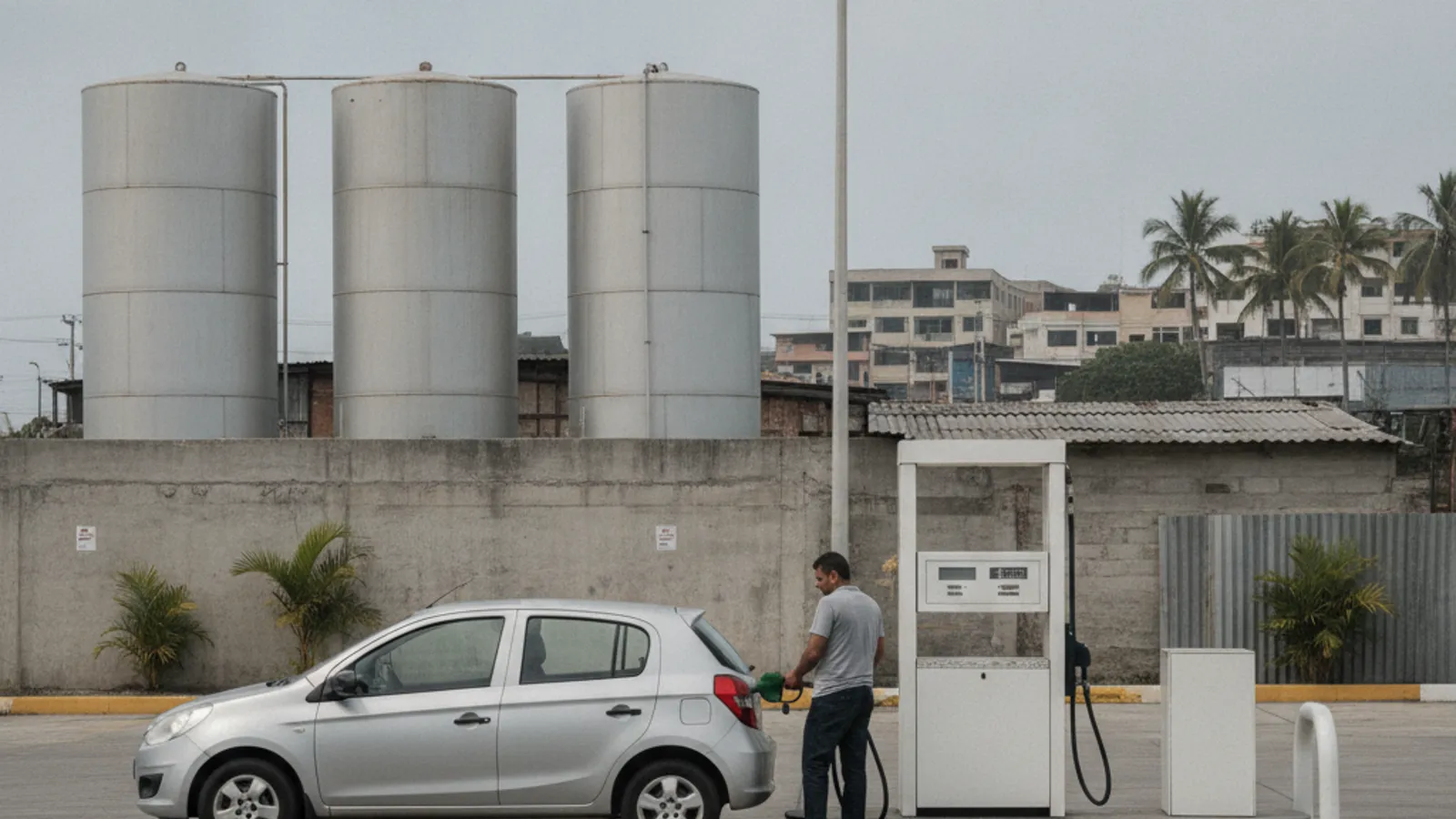
Drivers in Ecuador received a small break in July, but another reduction in August now looks less likely. International fuel prices rose during the final weeks of July, reversing part of the decline seen in June.
That matters because Ecuador's retail prices for Extra gasoline, Ecopais, and automotive diesel are tied in part to international benchmarks. The government adjusts those prices on the 12th day of each month.
The final August prices had not been announced when the source was published, so this is an outlook rather than a confirmed increase. The signal, however, is that the external market is moving against another special reduction.
What moved in the market
The U.S. Gulf Coast benchmark for low-sulfur diesel rose from USD 3.26 on July 3 to USD 4.19 on July 24. That is the closest reference marker used for diesel pricing in Ecuador.
Regular gasoline moved from USD 3.78 to USD 4.10 per gallon over the same period, according to the U.S. Energy Information Administration. Freight, domestic commercialization, and taxes are added before fuel reaches Ecuadorian consumers.
International prices remain below the peaks recorded earlier in the year, but they are higher than they were before that earlier surge. For Ecuador, direction matters because the monthly formula reacts to the market even when the pump price does not move one-for-one with a foreign benchmark.
How Ecuador's band works
Since June 2024, Ecuador has used a price-band system for Extra and Ecopais. Under that system, those gasoline prices can rise by up to 5% or fall by up to 10% in a month based on international conditions. Diesel entered the mechanism in December 2025.
In July 2026, President Daniel Noboa changed the calculation formula. The exceptional adjustment produced a reduction of USD 0.05 per gallon after five consecutive months of increases.
The question for August is whether that relief can be repeated while the underlying benchmarks are rising. Nothing in the fetched report confirms the final answer yet.
What This Means for Expats
If you own a car, the immediate move is simply to watch the official price announcement around August 12. There is no reason to react to a prediction as though the new price has already been posted.
The broader effect reaches beyond personal driving. Fuel costs can filter into taxis, deliveries, intercity travel, maintenance services, and the cost structure of businesses that move goods. A modest pump-price movement may be manageable for one household while still adding pressure across many small transactions.
For people comparing Ecuador's cost of living, the important detail is that fuel is no longer a fixed number you can write into a yearly budget and forget. The band allows monthly movement, and the international benchmark can change quickly.
The cleanest approach is to keep a little flexibility in the transport budget and check the published price each month instead of relying on an old receipt or a social-media claim. August's number will be set by the official adjustment, not by today's market speculation.
More in Economy
View all →Keep practical Ecuador coverage free to read.
Reader support helps fund source monitoring, translation, editing, publishing, and national coverage for expats across Ecuador.
Need help with your Ecuador visa? EcuaPass handles the paperwork for you. Learn more →
Comments
No comments yet. Be the first to share your thoughts!