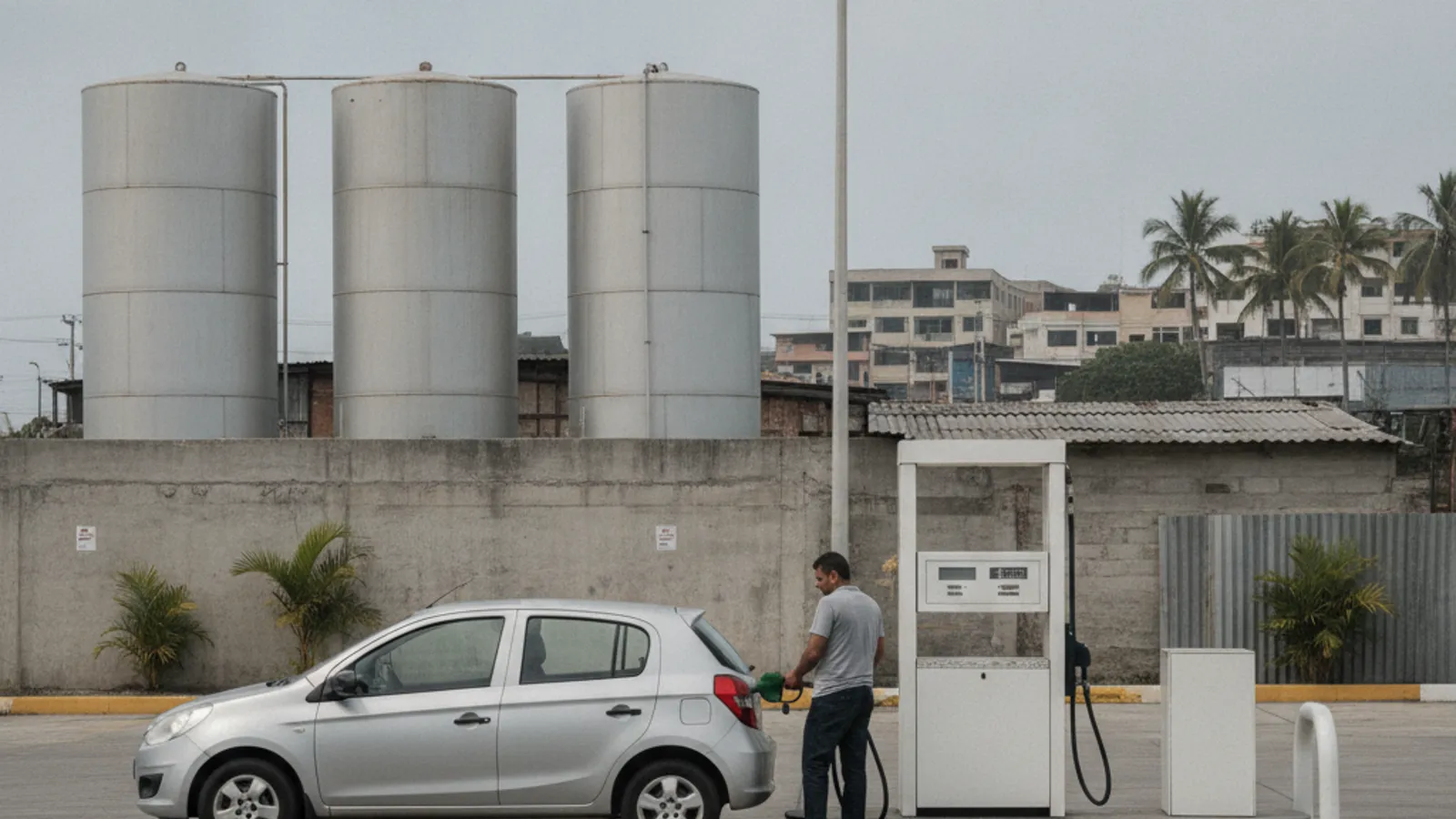
Ecuador Changes Customs Deadlines For Goods And Tourist Vehicles

GET YOUR ECUADOR VISA HANDLED BY EXPERTS
Retirement • Professional • Investor visas
What changed
Ecuador put new customs rules into effect on July 29, 2026, changing when merchandise can be declared abandoned and how the state may dispose of goods held by customs.
The reforms update the customs provisions of the Organic Code of Production, Commerce and Investment, known in Spanish as Copci. They were published in the Fifth Supplement No. 336 of the Official Registry.
Most foreign residents will never have a shipment caught in an abandonment process. Still, the reform deserves attention because it includes personal effects held at international arrivals and private vehicles temporarily brought into Ecuador by tourists.
New abandonment triggers
The law adds several situations that can lead to definitive abandonment. One applies when the cause of a tacit abandonment is not corrected within 25 business days. Another applies when customs determines that the declarant is absent.
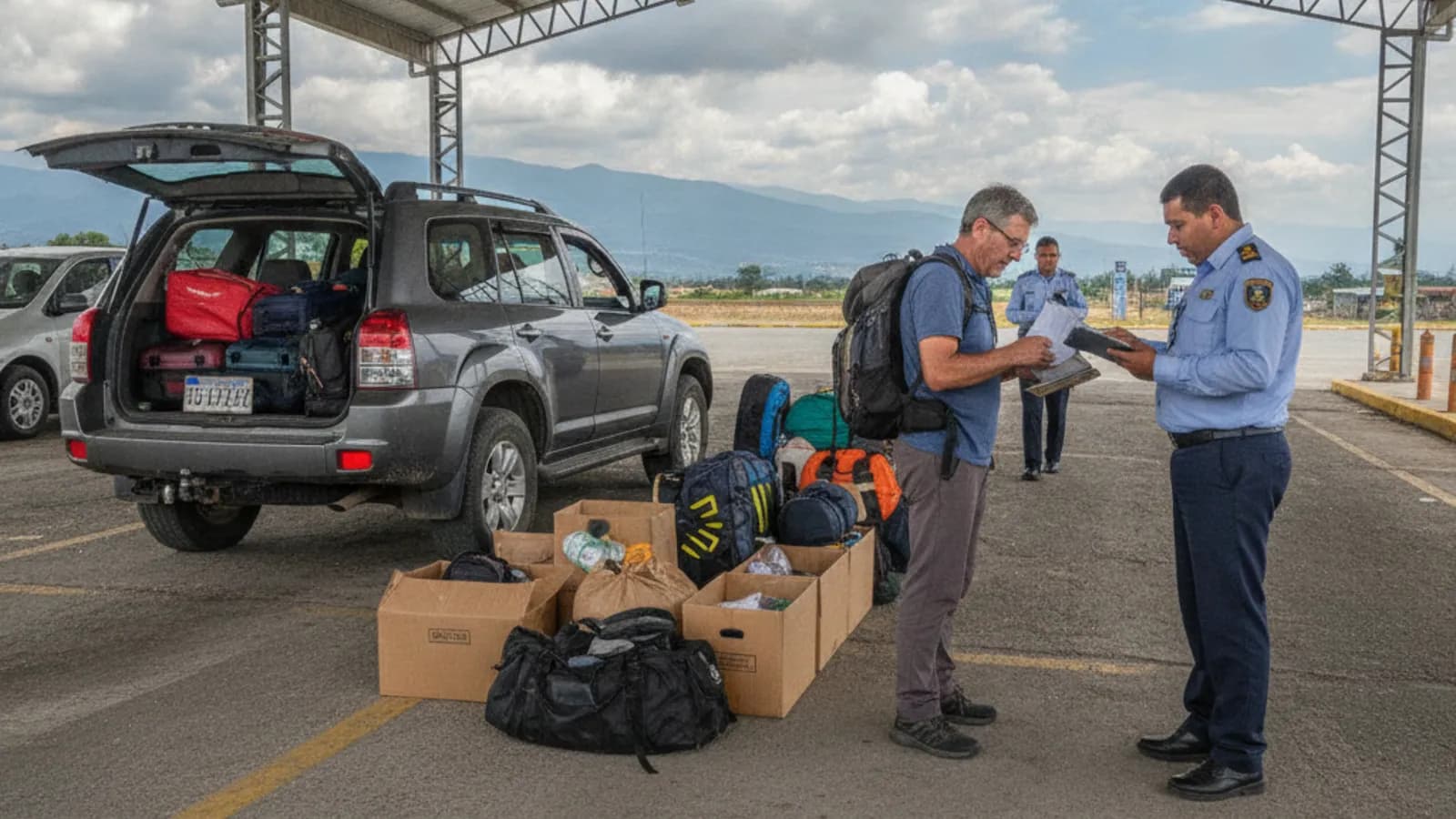
Personal effects or taxable goods retained in an international-arrivals area may be declared abandoned when they are not collected within five days after the traveler enters Ecuador.
The changes also cover goods left in the primary customs zone when the owner, consignee, or consignor cannot be identified, along with certain recovered or shipwrecked merchandise whose owner cannot be determined.
These are legal triggers, not a recommendation to count days casually. If customs is holding something that belongs to you, the safer approach is to document the case and address it immediately.
The rule for temporarily imported vehicles
The provision most likely to catch an international traveler is the one involving a private vehicle temporarily admitted into Ecuador.
Abandonment may be declared when the authorized stay is exceeded and the owner does not justify the delay. If one month passes after the vehicle is detained without starting a procedure to regularize the situation or recover it, the vehicle will be declared definitively abandoned.
That wording makes inaction especially dangerous. A border, permit, health, mechanical, or travel complication may explain a delay, but the source does not say that an explanation automatically protects the vehicle. The owner needs to begin the appropriate process.
What happens to abandoned goods
The state will prioritize free allocation of abandoned, seized, or forfeited goods to public institutions and public companies, even when an auction process has already begun. Prohibited imports can go to a public entity only when needed for its functions; otherwise, they must be destroyed.
Goods held by customs for more than one year must go through inventory and valuation. Customs must then issue three public notices on different days, and a person claiming rights has 15 days to provide supporting documents.
What This Means for Expats
Do not treat a customs hold as a storage arrangement. The reform creates specific clocks, and missing them can end with a permanent loss of property.
If you have personal effects retained at an airport, a shipment in customs, or a foreign-plated vehicle under temporary admission, keep every entry record, retention notice, permit, and communication together. Ask for the case number and the exact deadline that applies to your file.
The article can explain the published rules, but it cannot tell you how Senae will calculate a disputed deadline in an individual case. Anyone already inside a retention or abandonment process should obtain case-specific customs guidance quickly. The essential point is straightforward: the new law is already in force, and waiting is now an expensive strategy.
More in Economy
View all →Keep practical Ecuador coverage free to read.
Reader support helps fund source monitoring, translation, editing, publishing, and national coverage for expats across Ecuador.
Need help with your Ecuador visa? EcuaPass handles the paperwork for you. Learn more →
Comments
No comments yet. Be the first to share your thoughts!