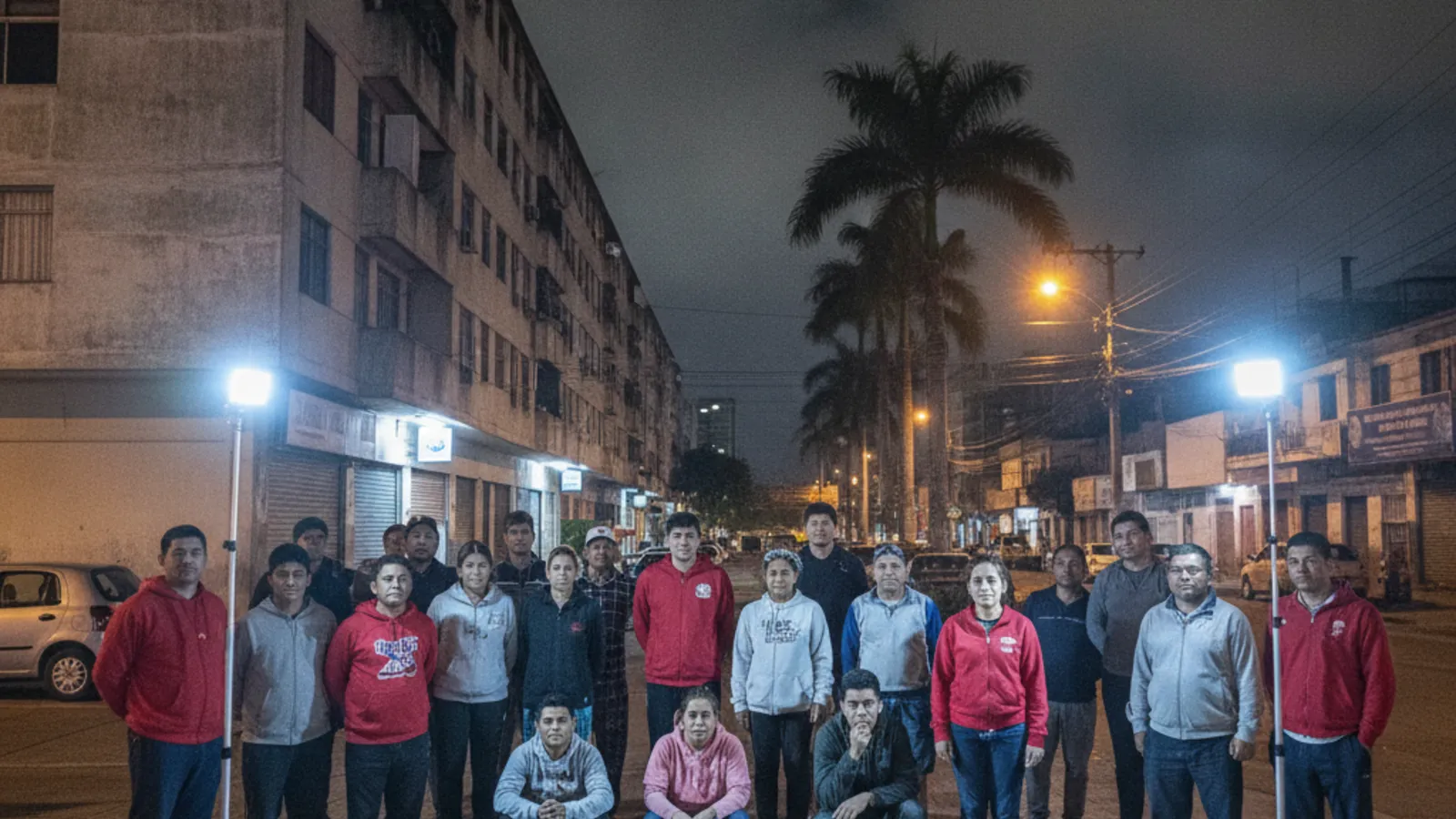
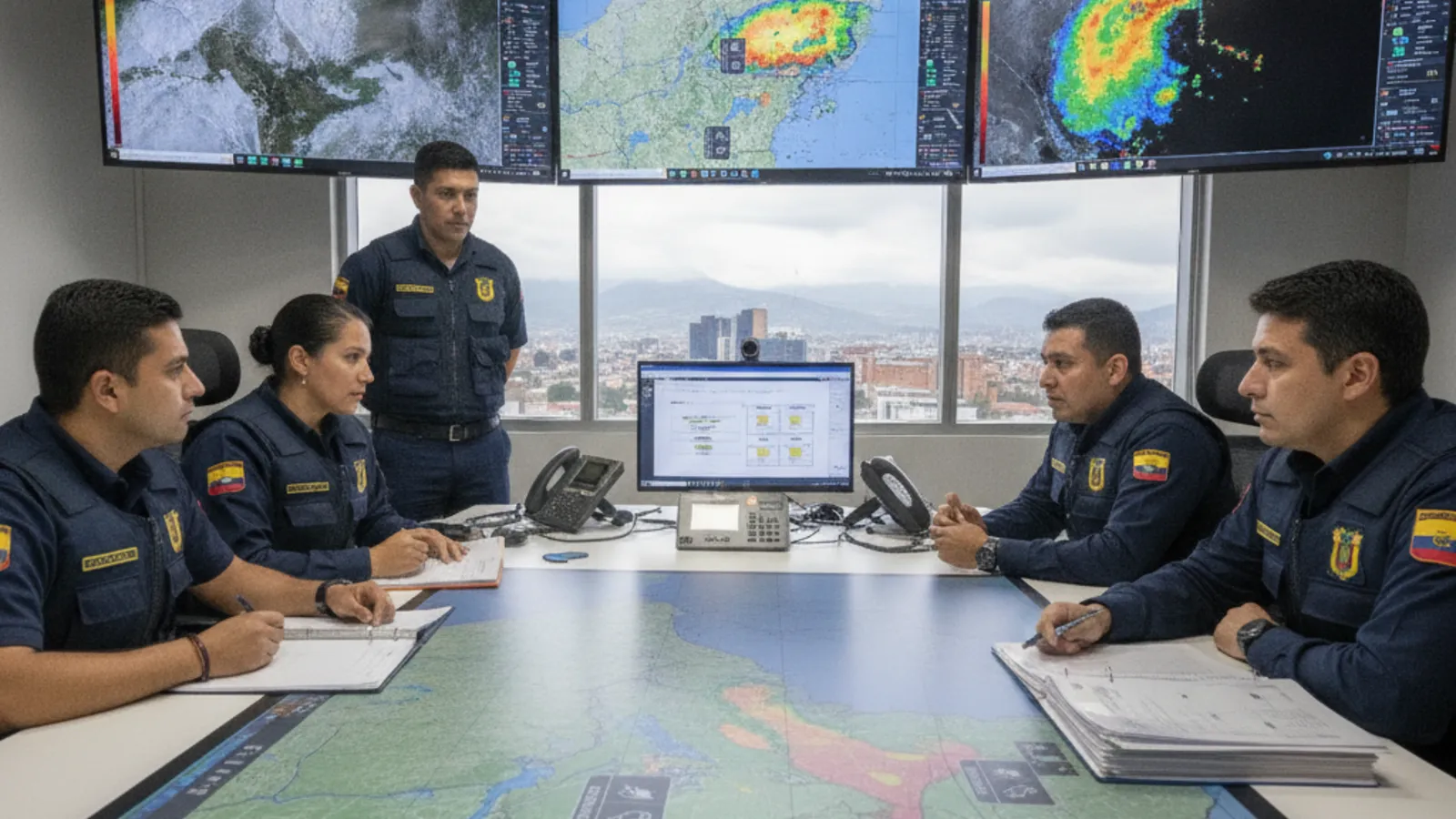
Ecuador's Security Crisis Carries A $12.2 Billion Annual Price Tag

GET YOUR ECUADOR VISA HANDLED BY EXPERTS
Retirement • Professional • Investor visas
What happened
Ecuador's security crisis now has a very large economic number attached to it.
A 2026 study by the Instituto de Altos Estudios Nacionales (IAEN) estimates that violence and crime cost Ecuador more than USD 12.2 billion per year. That equals about USD 1,127 per Ecuadorian and roughly 6% of GDP.
The study chapter cited by La Hora examines how narcotrafficking generates not only homicide, extortion, and displacement, but also a redistribution of wealth: society absorbs the costs while criminal income tries to enter legal-looking businesses, trade, and financial structures.
Who pays the bill
The cost is spread across households, companies, and the state.
According to the report, the public cost of confronting violence and crime in Ecuador equals 3.57% of GDP, above the regional average of 3.44%. In Latin America, 47% of direct crime costs are private expenses assumed by households and companies, 31% are public spending, and 21% are social costs.
The comparison is blunt: the overall cost of crime equals 78% of Ecuador's public education budget, twice the amount spent on social assistance, and 12 times the amount spent on research and development.
The money-laundering angle
The study estimates that between USD 2.1 billion and USD 5.4 billion may be linked each year to illicit financial flows associated with organized crime in Ecuador. Of that amount, between USD 1.5 billion and USD 3.8 billion may be laundered inside the Ecuadorian economy.
It also identifies about USD 2.5 billion in trade discrepancies between Ecuador's declared exports and the imports recorded by trade partners.
What This Means for Expats
For foreign residents, this is a reminder that security is also a cost-of-living issue.
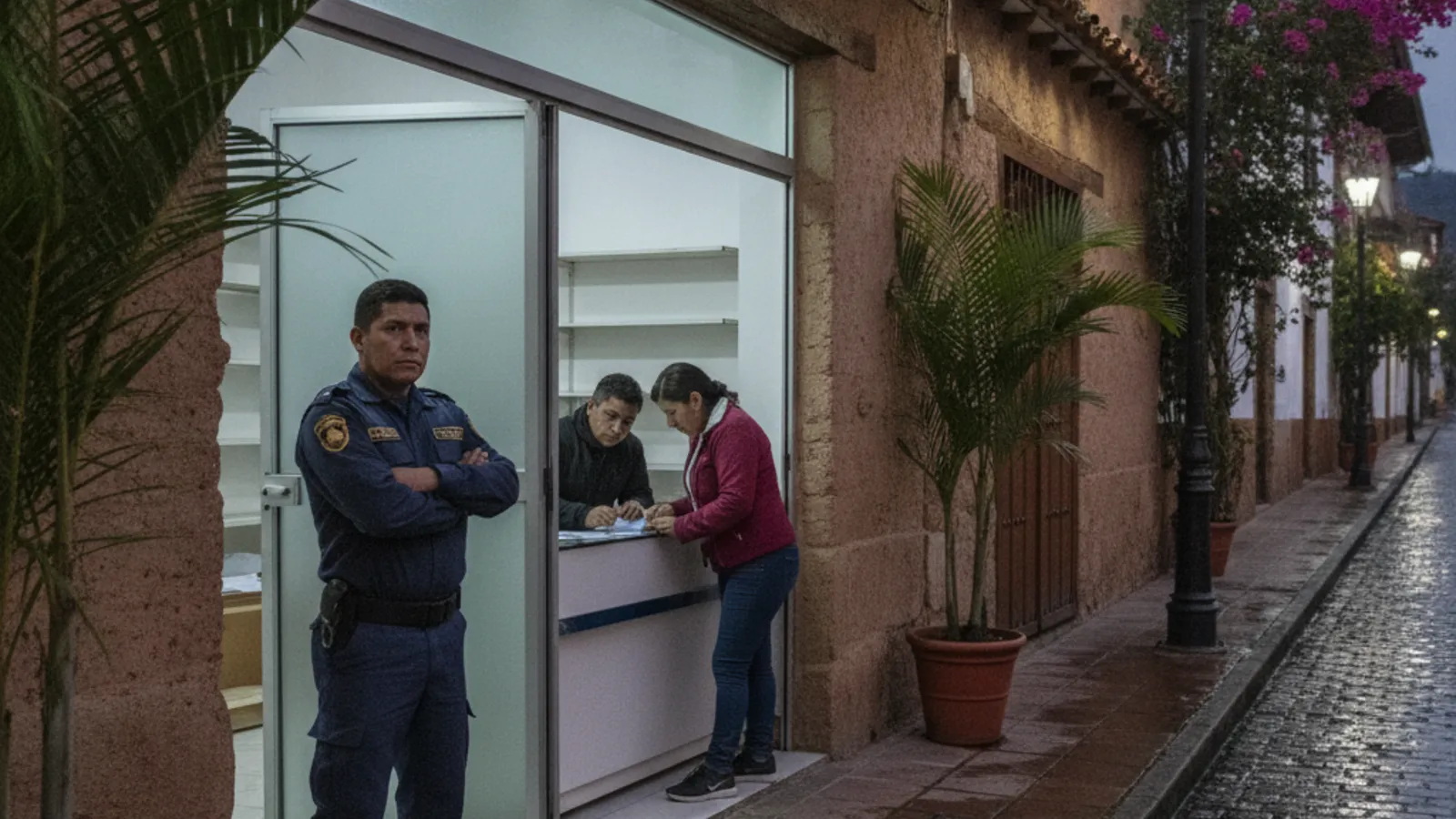
Businesses pay more for protection, transport, insurance, and operational controls. Exporters reportedly increased private-security spending from about USD 150 million in 2022 to more than USD 200 million today. Tourism has also taken damage; hotel occupancy in 2023 fell to between 5% and 10% in some periods, and visits to Santa Elena fell as much as 75% in the last quarter of that year.
That does not mean daily life is uniformly unsafe across Ecuador. It means insecurity is priced into the economy. Travelers notice it in transport choices. Business owners notice it in logistics and insurance. Residents notice it when commerce closes earlier, delivery routes change, or service providers raise prices to cover risk.
For expats, the useful response is practical: choose neighborhoods carefully, stay current on local safety patterns, and understand that a cheap headline price can hide higher security and transport costs underneath.
Source: La Hora.
More in Safety
View all →Keep practical Ecuador coverage free to read.
Reader support helps fund source monitoring, translation, editing, publishing, and national coverage for expats across Ecuador.
Need help with your Ecuador visa? EcuaPass handles the paperwork for you. Learn more →
Comments
No comments yet. Be the first to share your thoughts!