Heavy Rains Pummel Cuenca and 23 Provinces — February Rainfall Nearly Double Historical Average
 Chip Moreno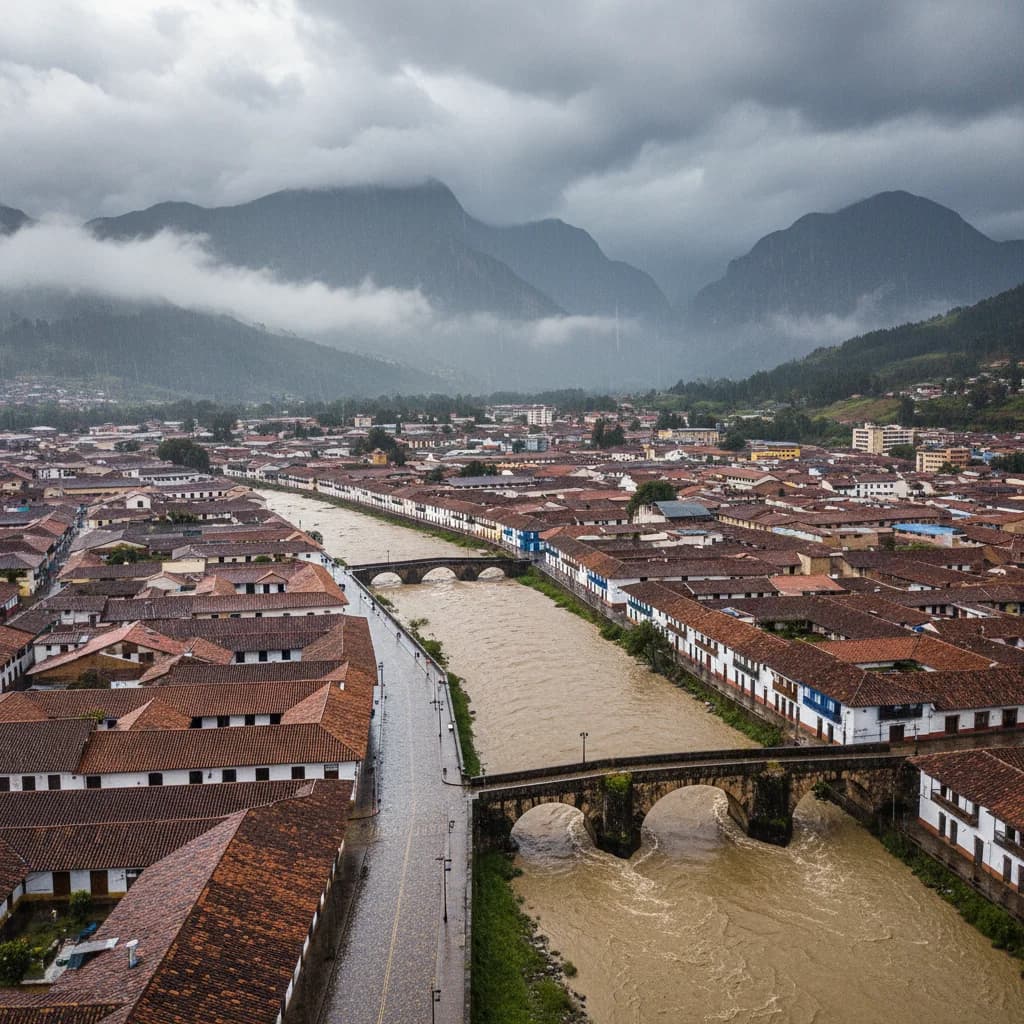
GET YOUR ECUADOR VISA HANDLED BY EXPERTS
Trusted by 2,000+ expats • Retirement • Professional • Investor visas
Ecuador's rainy season is hitting harder than anyone expected — and it's not over yet.
The Numbers
Cuenca has recorded 150mm of rainfall so far in February 2026, nearly double the historical average of 80–90mm for the month. The city's four rivers — Tomebamba, Yanuncay, Tarqui, and Machángara — have been running at or near flood stage for weeks.
Nationally, 23 of Ecuador's 24 provinces have been affected by heavy rains since January:
| Impact | Figure | |--------|--------| | People affected | 4,700+ | | People displaced | 770 | | Homes damaged | 1,331 | | Deaths | 2 | | Provinces affected | 23 of 24 |
Worst-Hit Areas
Esmeraldas province on the northern coast has been hardest hit, with nearly 12,000 people affected and 700 relocated to emergency shelters. Flooding has damaged roads, bridges, and agricultural land across the coastal lowlands.
In Cuenca, low-lying neighborhoods along the Tomebamba river have experienced street flooding, and the city's stormwater drainage system has been overwhelmed during peak rainfall events. The Mazar reservoir northeast of Cuenca — a critical hydroelectric facility — has been discharging at over-capacity to prevent dam overflow, sending additional water volume downstream.
Why This Year Is Different
Meteorologists point to warmer-than-normal Pacific Ocean surface temperatures — not a full El Niño event, but a persistent warm pattern that is pumping more moisture into Ecuador's atmosphere. The Intertropical Convergence Zone (ITCZ) has been positioned further south than usual, intensifying rainfall across both the coast and the highlands.
Ecuador's national meteorological agency INAMHI has issued continued rainfall warnings through mid-March, with the heaviest precipitation expected in:
- Coastal provinces: Esmeraldas, Manabí, Guayas, Los Ríos, El Oro
- Highland valleys: Azuay (Cuenca), Cañar, Loja
- Amazon basin: Napo, Pastaza, Morona Santiago
Infrastructure at Risk
The sustained rainfall has exposed vulnerabilities in Ecuador's infrastructure:
- Roads: Multiple sections of the Pan-American Highway and Cuenca–Molleturo–Naranjal road have been affected by landslides
- Bridges: Several rural bridges in Esmeraldas and Manabí are damaged or impassable
- Agriculture: Banana, cacao, and rice crops in coastal lowlands face waterlogging damage
- Water treatment: Some municipal water systems have reported increased turbidity requiring additional treatment
What This Means for Expats
- Cuenca residents should avoid low-lying areas near rivers during heavy rain events, particularly the Tomebamba and Yanuncay corridors. Flash flooding can occur with little warning
- Coastal expats in Esmeraldas, Manabí, and Santa Elena should monitor local alerts and avoid travel during peak storm periods
- Road travel is riskier than usual. The Cuenca–Guayaquil, Cuenca–Loja, and Cuenca–Molleturo routes are all prone to landslides during heavy rain. Check road conditions before traveling
- The Mazar reservoir discharge means river levels downstream can rise suddenly even if it's not raining in your area
- Stock up on essentials. Power outages and road closures can disrupt supply chains temporarily
- Emergency contacts: ECU 911 (all emergencies), INAMHI weather updates at www.inamhi.gob.ec
Sources: The Cuenca Dispatch, CuencaHighLife, INAMHI
More in Breaking
View all →Keep practical Ecuador coverage free to read.
Reader support helps fund source monitoring, translation, editing, publishing, and national coverage for expats across Ecuador.
EcuaPass
Your Ecuador Visa, Done Right
Retirement • Professional • Investor • Cedula processing & renewals — start to finish by licensed experts.
Get a Free Consultationecuapass.com
Need help with your Ecuador visa? EcuaPass handles the paperwork for you. Learn more →
Comments
No comments yet. Be the first to share your thoughts!