New State of Emergency: 9 Provinces, 60 Days, No Curfew
 Chip Moreno
GET YOUR ECUADOR VISA HANDLED BY EXPERTS
Trusted by 2,000+ expats • Retirement • Professional • Investor visas
Ecuador is back under a state of emergency -- but this time, the rules are different.
On April 2, 2026, President Daniel Noboa signed Executive Decree 353, declaring a 60-day state of emergency covering a broad swath of the country. The decree takes effect immediately and runs through early June.
This is not a new measure. It is a renewal of the security emergency that has been in effect, in various forms, since early 2024. The previous state of emergency expired on March 30, and the government wasted only three days before reimposing it.
What's Covered
The decree applies to 9 provinces and 4 additional cantons outside those provinces:
Provinces Under Emergency
| Province | Region | Major Expat Areas | |---|---|---| | Guayas | Coast | Guayaquil, Samborondon | | Manabi | Coast | Manta, Bahia de Caraquez, Puerto Lopez | | Santa Elena | Coast | Salinas, Montanita | | Los Rios | Coast | Babahoyo, Quevedo | | El Oro | Coast | Machala | | Esmeraldas | Coast | Esmeraldas city, Atacames | | Pichincha | Sierra | Quito, Tumbaco, Cumbaya | | Santo Domingo | Coast/Sierra | Santo Domingo de los Tsachilas | | Sucumbios | Amazon | Lago Agrio |
Additional Cantons
- La Mana (Cotopaxi province)
- Las Naves (Bolivar province)
- Echeandia (Bolivar province)
- La Troncal (Canar province)
Notably absent from the list: Azuay (Cuenca), Loja (Vilcabamba), Imbabura (Cotacachi/Otavalo), and Tungurahua (Banos). The southern and northern highlands, where many expats concentrate, are not included.
What the Emergency Allows
A state of emergency in Ecuador grants the executive branch extraordinary powers within the affected zones. Under Decree 353:
- Suspension of home inviolability. Police and military can enter private residences without a warrant in the context of security operations. Under normal Ecuadorian law, a judicial order is required to enter a home
- Police raids authorized. Joint police-military operations can conduct raids on properties suspected of involvement in criminal activity without the usual procedural requirements
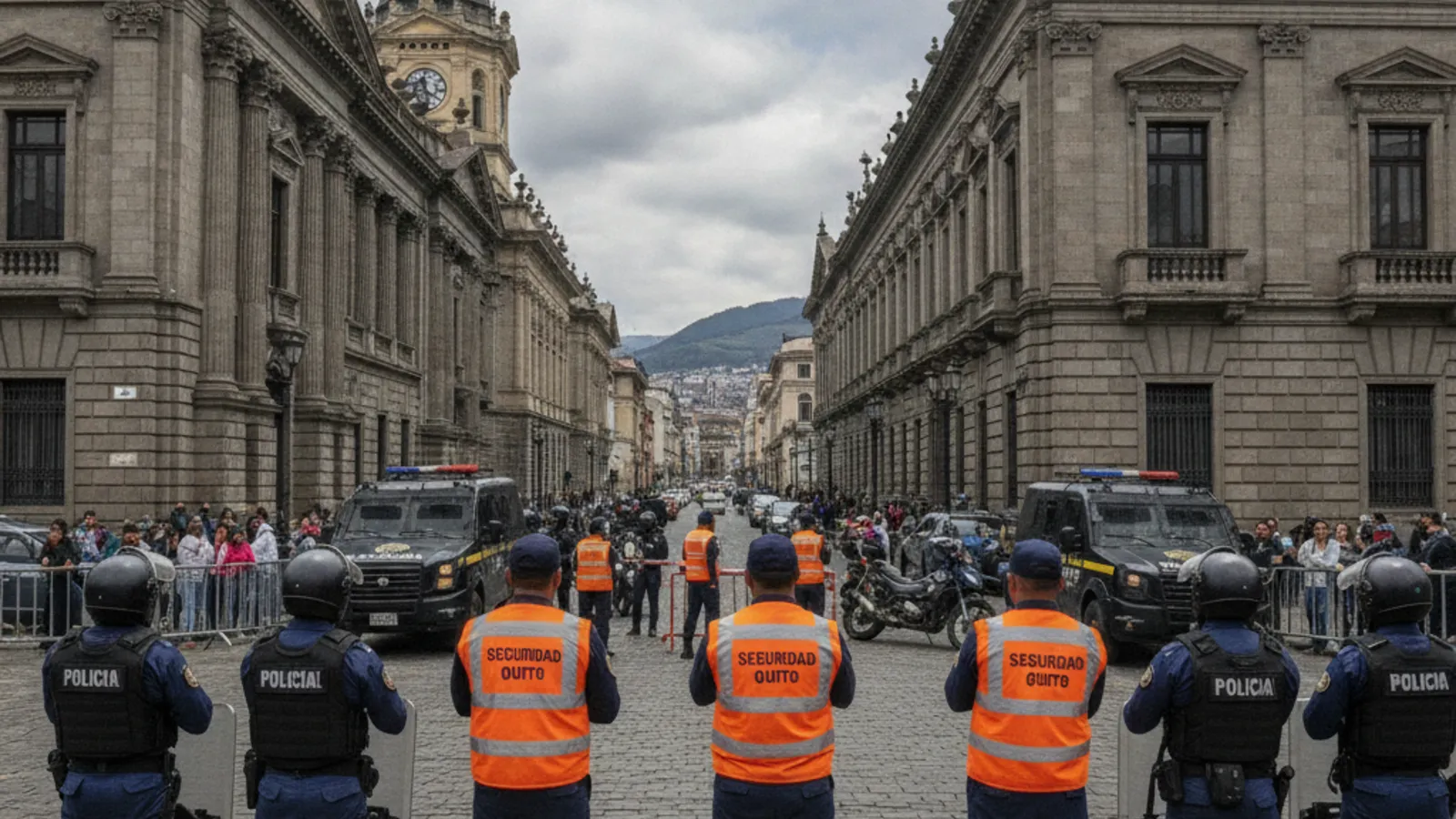
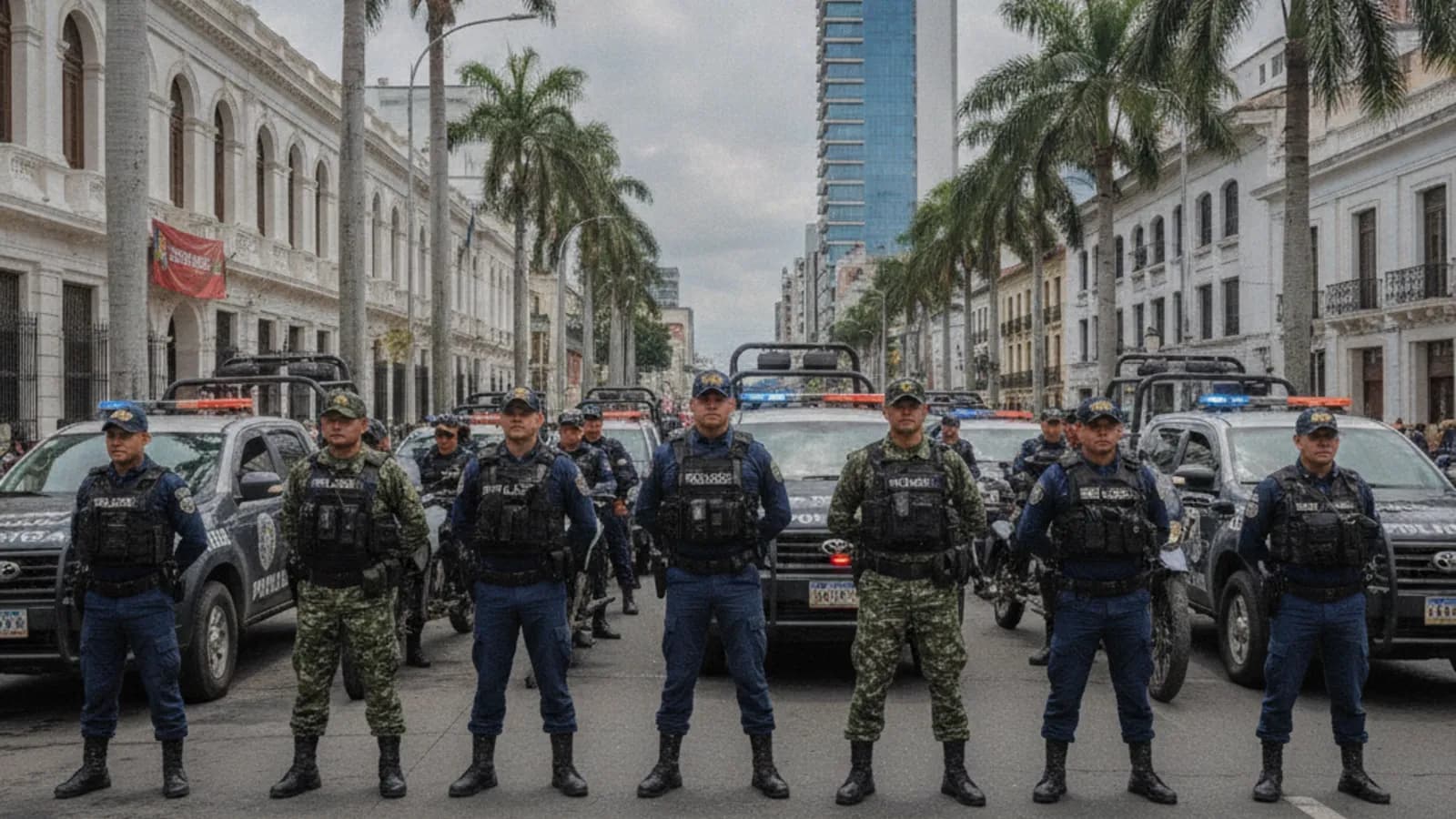
- Military deployment. The armed forces can operate alongside police in a law enforcement capacity -- patrolling streets, manning checkpoints, and participating in operations
- Restrictions on assembly. The government can restrict public gatherings and demonstrations if they are deemed a security risk
What's Different This Time: No Curfew
The most significant practical difference from the previous emergency is the absence of a curfew. The prior decree, which ended March 30, included nighttime curfew restrictions in several provinces -- typically from 11:00 PM to 5:00 AM.
Decree 353 does not impose any curfew. You can move freely at any hour in all affected provinces. Restaurants, bars, and businesses are not subject to mandatory early closing times under this decree.
This shift suggests the government views the security situation as stable enough to avoid the economic disruption that curfews cause while still maintaining the legal framework for aggressive police and military operations.
Why This Keeps Happening
Ecuador has been operating under rolling states of emergency since January 2024, when President Noboa declared an "internal armed conflict" following the takeover of a television studio by armed gang members during a live broadcast. Since then, the government has renewed emergency measures repeatedly, sometimes letting them lapse briefly before reimposing them.
The pattern reflects a structural reality: Ecuador's security situation has improved from the crisis peak of early 2024, but organized crime -- particularly drug trafficking organizations operating along the coast and in border regions -- remains a significant threat. The government uses the state of emergency as a legal tool that gives security forces expanded operational authority without the constraints of normal law enforcement procedures.
The 9-province coverage map is telling. It tracks almost exactly with the geography of Ecuador's drug trafficking corridors: the coastal provinces where cocaine moves through ports (Guayas, Manabi, Esmeraldas, El Oro), the transit provinces connecting coast to interior (Los Rios, Santo Domingo), the capital region (Pichincha), and the northern Amazon border zone (Sucumbios, which borders Colombia).
What This Means for Expats
If you live in one of the 9 provinces:
- Your daily life is unlikely to change noticeably. The state of emergency has been in effect in most of these provinces, in some form, for over two years. The security operations target organized crime networks, not residential neighborhoods. You will likely see military vehicles and checkpoints on highways, particularly in coastal areas, but this has become the norm
- The suspension of home inviolability is the most legally significant provision. In theory, police can enter your home without a warrant during the emergency. In practice, operations are directed at suspected safe houses, weapons caches, and drug storage locations -- not expat residences. However, if you live near an area with criminal activity, be aware that this authority exists
- No curfew means no lifestyle disruption. You can dine out, travel, and move around at any hour without restriction
If you are traveling through affected provinces:
- Expect military checkpoints on major highways, particularly on the coastal route between Guayaquil and Manta, the road from Quito to Santo Domingo, and routes near the Colombian border
- Carry your passport or cedula. At checkpoints, you may be asked for identification. A photocopy is not sufficient -- carry the original document
- Do not photograph military or police operations. This can be interpreted as hostile intelligence gathering and will create problems you do not want
If you live outside the affected areas (Cuenca, Vilcabamba, Cotacachi, Banos):
- The decree does not apply to you. Normal laws and procedures remain in effect. The fact that your province is excluded is itself a positive signal about the security assessment of your area
Emergency contacts:
- ECU 911 -- national emergency number, works everywhere in Ecuador
- U.S. Embassy Quito: +593-2-398-5000
- U.S. Consulate Guayaquil: +593-4-371-7000
Sources: Infobae, Primicias
More in Safety
View all →Keep practical Ecuador coverage free to read.
Reader support helps fund source monitoring, translation, editing, publishing, and national coverage for expats across Ecuador.
EcuaPass
Your Ecuador Visa, Done Right
Retirement • Professional • Investor • Cedula processing & renewals — start to finish by licensed experts.
Get a Free Consultationecuapass.com
Need help with your Ecuador visa? EcuaPass handles the paperwork for you. Learn more →
Comments
No comments yet. Be the first to share your thoughts!