Safe Third Country Agreement with U.S. — 4,700+ Non-Ecuadorians from 16 Nationalities
 Chip Moreno
GET YOUR ECUADOR VISA HANDLED BY EXPERTS
Trusted by 2,000+ expats • Retirement • Professional • Investor visas
Ecuador has agreed to accept thousands of non-Ecuadorian deportees from the United States — a development with significant political, social, and practical implications.
The Agreement
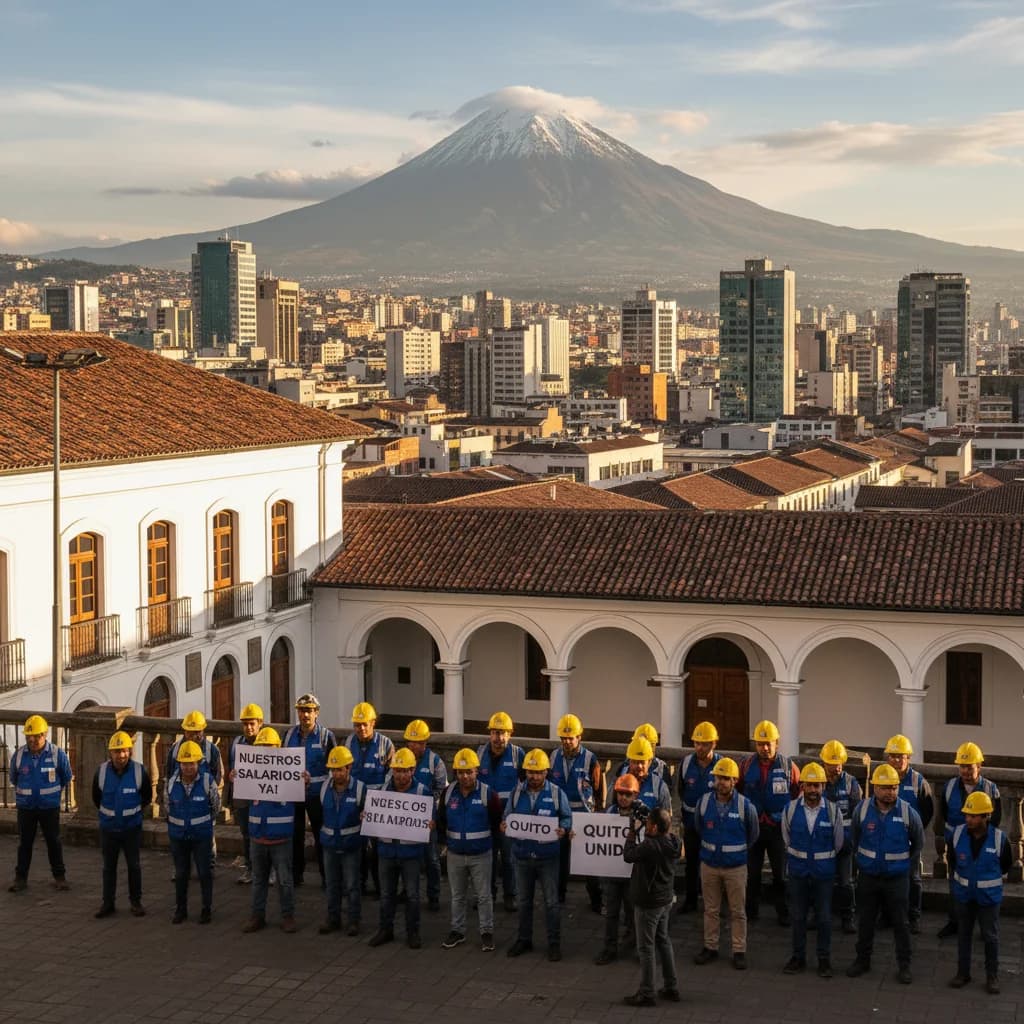
Under a Safe Third Country agreement with the United States, Ecuador has accepted over 4,700 non-Ecuadorian nationals who were deported from U.S. territory. The deportees come from at least 16 different nationalities, including citizens of countries throughout Latin America, the Caribbean, Africa, and Asia.
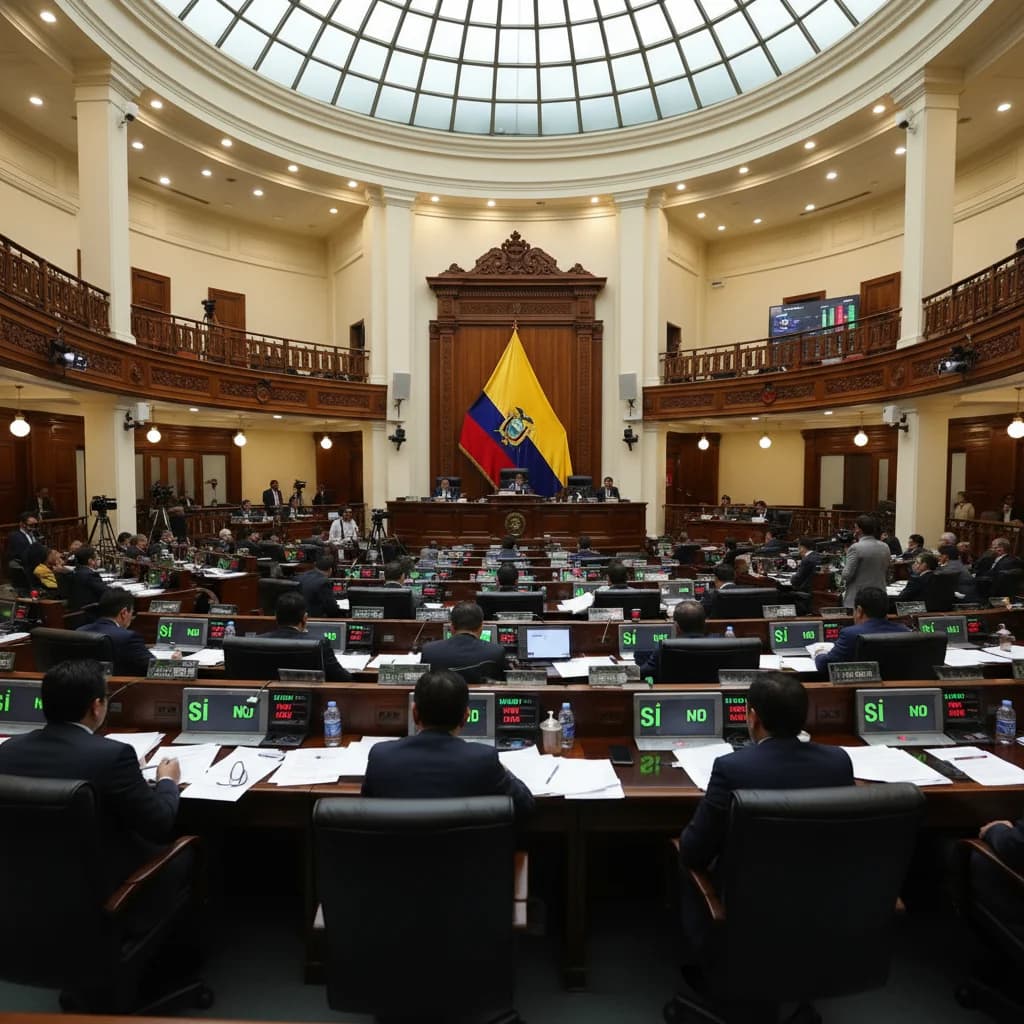
The agreement, reported by AS/COA (Americas Society/Council of the Americas), designates Ecuador as a "safe third country" where individuals can be sent when the U.S. determines they do not qualify for asylum and cannot be immediately returned to their home countries.
How It Works
A Safe Third Country agreement allows the U.S. to deport individuals to a third country — not their country of origin — that is deemed "safe" for them to reside in. In practice, this means:
- The U.S. places deportees on flights to Ecuador rather than to their home countries
- Ecuador is responsible for receiving, processing, and housing these individuals upon arrival
- The deportees may apply for asylum in Ecuador or seek voluntary departure to another country
- The U.S. provides financial support to Ecuador to offset the costs of the program
Why Ecuador Agreed
The Noboa administration's decision to accept the agreement is part of its broader strategic alignment with the United States. By cooperating on migration issues — one of the U.S. government's top priorities — Ecuador strengthens its position to receive:
- Military and security assistance — including the current 75,000-troop deployment
- Trade concessions — including the recently signed tariff agreement
- Development aid and investment — from U.S. government agencies and international financial institutions where the U.S. has influence
Critics argue that Ecuador — already struggling with its own security crisis, limited social services, and overwhelmed institutions — is poorly positioned to absorb thousands of deportees from diverse backgrounds. There are concerns about:
- Strain on public services — healthcare, housing, and social support systems that are already underfunded
- Security risks — the inability to properly vet thousands of arrivals from 16 different countries
- Labor market competition — additional workers in an economy with high underemployment
- Social tensions — potential backlash from Ecuadorian communities receiving deportee populations
The Numbers in Context
The 4,700+ figure represents a significant population influx for Ecuador, a country of approximately 18 million people. For context:
- Ecuador already hosts an estimated 500,000+ Venezuelan migrants who arrived during Venezuela's humanitarian crisis
- The country's asylum and refugee processing system is underfunded and backlogged
- Most deportees are expected to be received in Quito and Guayaquil, the country's two largest cities
What This Means for Expats
- This agreement does not directly affect expat visa holders. Legal residents and visa holders are not impacted by the deportation program
- However, the influx of deportees could affect public services in cities where they are resettled. Healthcare wait times, social service availability, and housing market dynamics could be affected in receiving communities
- The agreement reinforces Ecuador's dependence on U.S. goodwill. This has implications for visa policy, tax treaties, and bilateral agreements that affect American expats. A government eager to please Washington may be more accommodating on issues that matter to U.S. citizens abroad
- Community dynamics may shift in neighborhoods where deportees are resettled. Understanding this context helps expats navigate social changes in their communities
- The program highlights Ecuador's institutional limitations. A government that cannot fully secure its own territory or fund its own social services is now taking on additional obligations — the fiscal and social sustainability of this arrangement is an open question
Source: AS/COA (Americas Society/Council of the Americas)
More in Politics
View all →Keep practical Ecuador coverage free to read.
Reader support helps fund source monitoring, translation, editing, publishing, and national coverage for expats across Ecuador.
EcuaPass
Your Ecuador Visa, Done Right
Retirement • Professional • Investor • Cedula processing & renewals — start to finish by licensed experts.
Get a Free Consultationecuapass.com
Need help with your Ecuador visa? EcuaPass handles the paperwork for you. Learn more →
Comments
No comments yet. Be the first to share your thoughts!