Ecuador Reports 28,652 Dengue Cases as Insecticide Resistance Rises

Ecuador has recorded 28,652 dengue cases in 2026, according to the Ministry of Public Health. Since the middle of July, weekly case reports have exceeded the same period in 2025.
The 2026 trend
Through July 25, Ecuador was the only country in the region reporting an increase, with cases 24% higher than in the previous epidemiological weeks, according to the Pan American Health Organization.
Ministry data through August 15 showed 11 consecutive weeks in which weekly reports exceeded the matching dates in 2025. That sequence began on May 31. Starting July 28, cases also exceeded 2024 levels for five consecutive weeks.
The figures describe a national trend, not an identical level of exposure in every province. They are useful for residents who travel between Ecuador’s highlands, coast, and Amazon because dengue risk can change with the presence of the mosquito and local conditions.
Why the count may not be complete
Epidemiologist Esteban Ortiz, of UDLA and One Health, warned that underreporting may exist. A study found that roughly 40% of severe cases or cases with warning signs did not have laboratory confirmation during the previous five years.
That does not mean every unconfirmed case was dengue. It means the reported total should be read as a surveillance figure with limitations rather than a perfect count of every infection.
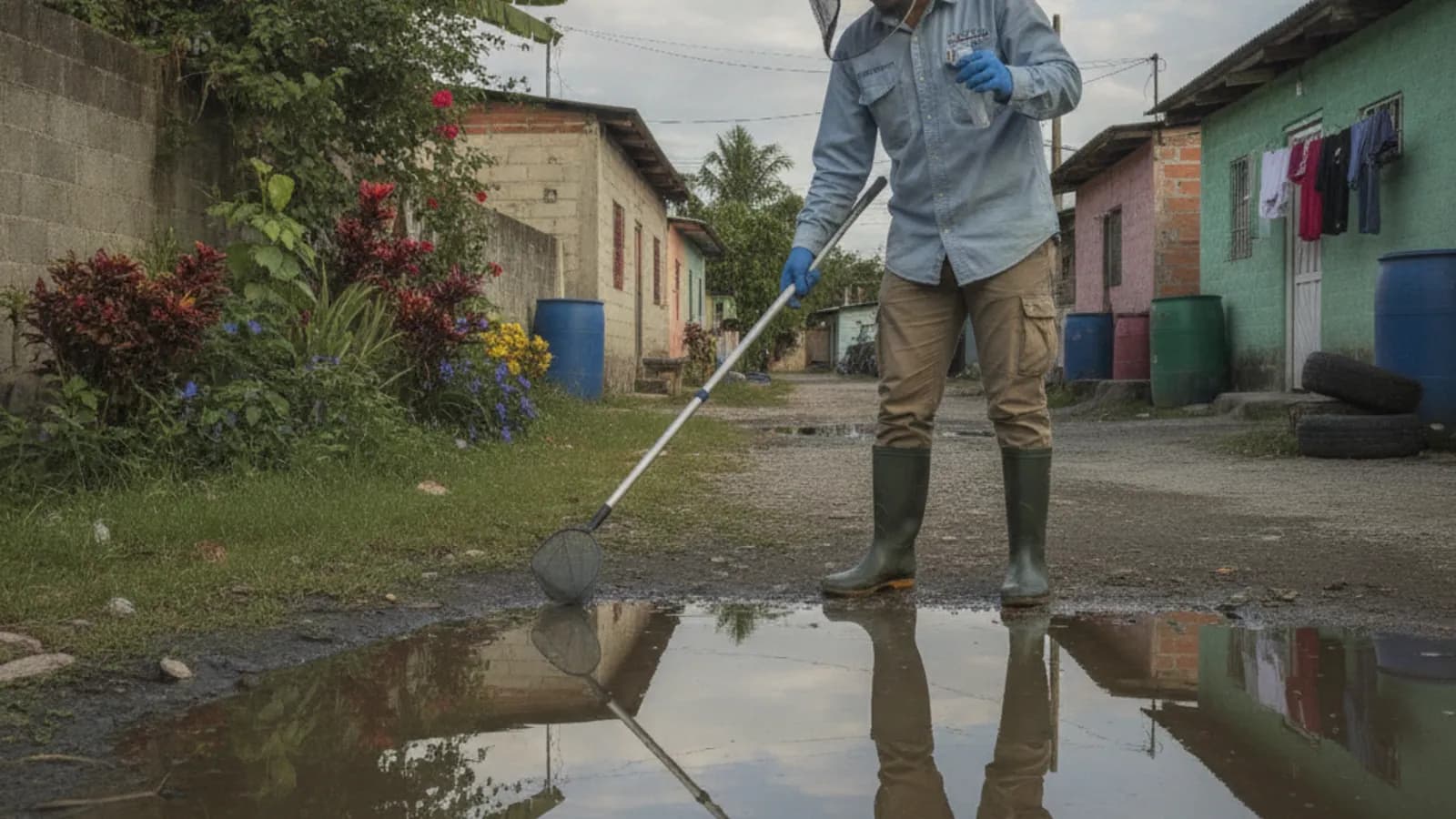
The mosquito involved, Aedes aegypti, is also being found in places that were previously considered less suitable. Anita Villacís, of CISEAL and the Pontificia Universidad Católica de Quito, said that where the mosquito is present, it can proliferate.
Climate and control pressure
The report links mosquito conditions to warmth, rainfall, standing water, and El Niño-related patterns. In some places, temperatures have increased by up to 2 °C over the last 20 or 30 years.
The mosquito’s average lifespan is about 15 days. Climate changes have shortened that lifespan by one to two days in the discussion cited, while also accelerating reproduction.
Insecticide resistance adds another complication. INSPI data with a cutoff of June 2025 showed resistance of 91.5% to deltamethrin, 62% to temephos, and 31.25% to malathion. The malathion figure compares with 15.91% in December 2024.
Those resistance numbers are historical measurements with a June 2025 cutoff, not a new August 2026 test. They still matter because they show why mosquito-control programs cannot assume one chemical will work everywhere.
What this means for expats
Confused about which visa fits your situation? Book a 30-minute consultation with Chip for $100 and leave with a clear plan.
Book a consultationResidents should reduce standing water around homes, pay attention to local health notices, and seek medical advice for concerning symptoms rather than trying to diagnose an infection from a headline. People traveling between regions should remember that a highland routine does not eliminate exposure elsewhere.
The practical message is not panic. It is precision: the 2026 case trend is rising, surveillance has limits, and control tools are facing resistance. Local prevention and timely medical attention remain more useful than assuming national averages describe every neighborhood.
More in Healthcare
View all →Keep practical Ecuador coverage free to read.
Reader support helps fund source monitoring, translation, editing, publishing, and national coverage for expats across Ecuador.
Need health insurance abroad? SafetyWing covers expats in Ecuador. Learn more →
Comments
No comments yet. Be the first to share your thoughts!