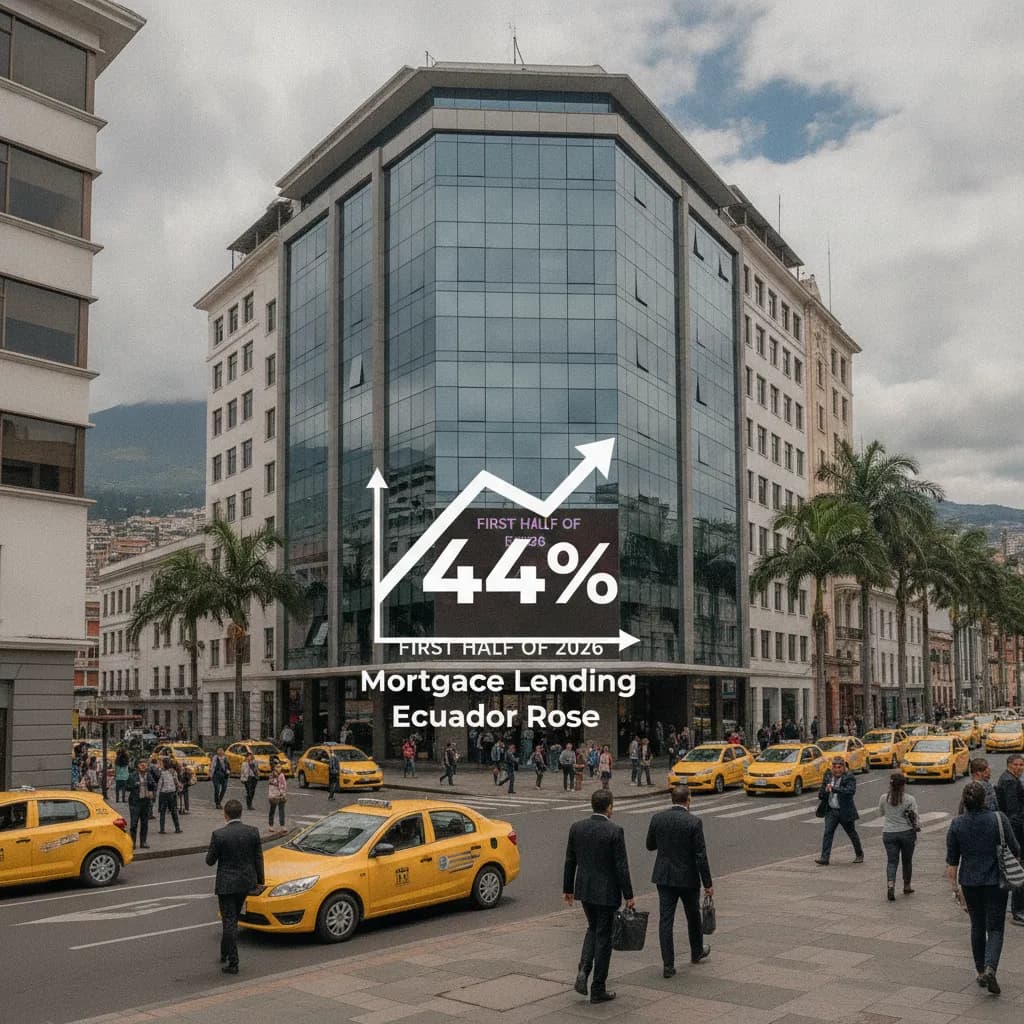
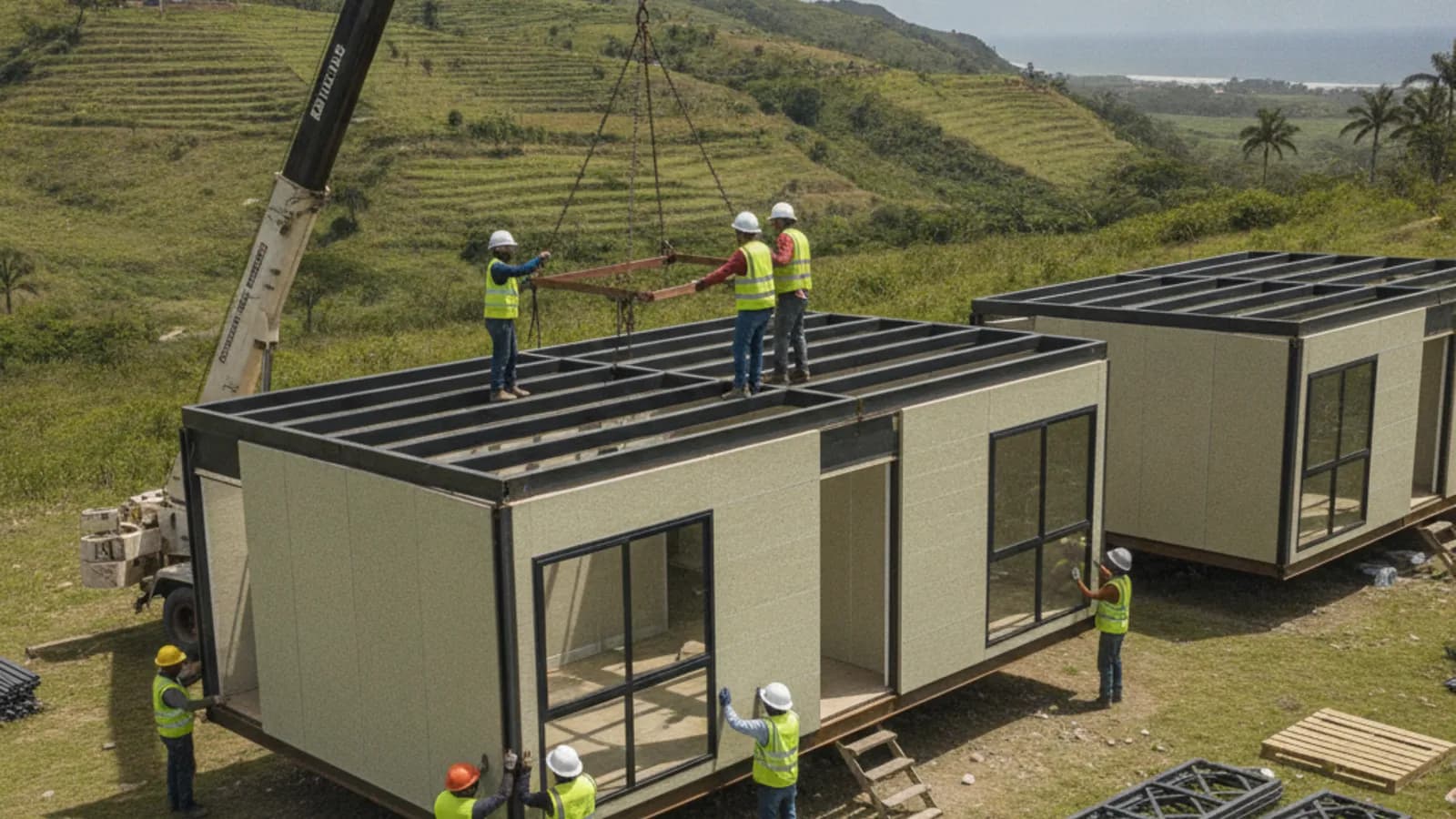
Ecuador’s Shopping-Center Pipeline Reaches USD 400 Million

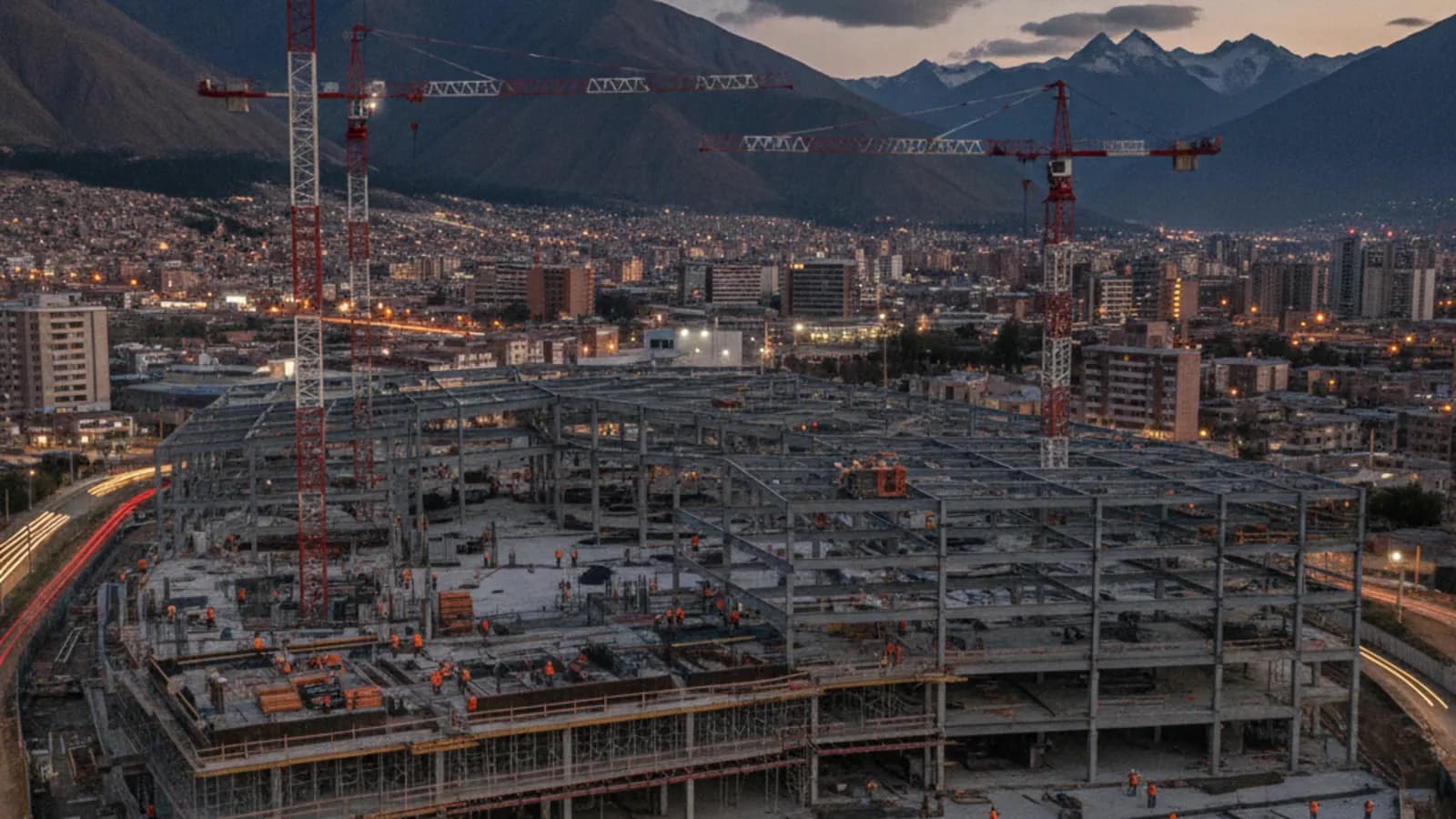
Ecuador’s shopping-center industry is moving through an unusual expansion phase. At least 10 large projects are in development, with estimated investment of USD 400 million and more than 750,000 square meters of additional leasable area under construction.
A national development pipeline
The projects include Mall del Alto in Cuenca, Vista Valle in San Gabriel and the Valle de Los Chillos, and an expansion of San Luis Town Center. Other large projects named in the development pipeline include Capital Shopping in Portoviejo, La Perla Shopping and Vivantino Mall in La Joya, Daule.
The minimum average investment for a large shopping center is about USD 40 million. The industry is described as moving between USD 4 billion and USD 6 billion annually.
Those figures are large enough to make retail construction a real part of the country’s commercial and real-estate story, not just a consumer trend. They also create demand for security, cleaning, food service, waste management, and private guarding.
Why the industry calls it unusual
Bruno Zavala, president of the Ecuadorian Chamber of Shopping Centers, described the moment as unusual for the region. The comparison matters because other markets are more often seeing renovations or expansions rather than many new projects being built or opened at once.
The development cycle can affect residents well before a mall opens. Construction changes access and traffic; new retail space can create jobs and service demand; and nearby housing or commercial property can be repositioned around expected foot traffic.
But an announcement is not a completed project. The published information does not give a final opening date or a tenant list for every development.
A Cuenca angle
For Cuenca residents, Mall del Alto is the most direct local signal in the pipeline. The project belongs in the same broader conversation as changing retail access, service jobs, and where commercial activity is likely to concentrate.
That does not mean every neighborhood will benefit equally, or that a new shopping center automatically improves the surrounding area. The effect depends on completion, tenants, transport, and the services that actually arrive.
The next industry checkpoint
The fourth edition of CLICC is scheduled in Quito from August 31 to September 3, 2026, with representatives from 18 countries and technical visits. The event provides a near-term place to watch how operators, developers, and suppliers discuss the pipeline.
What this means for expats
Confused about which visa fits your situation? Book a 30-minute consultation with Chip for $100 and leave with a clear plan.
Book a consultationResidents should watch the projects as local infrastructure and employment stories, not only as shopping news. A large development can change where services are available and how people move through a city, but the useful details are project-level: construction progress, opening dates, tenants, access, and operating quality.
For business owners, the strongest opportunity may be among the support services required around a mall. For renters and buyers, the relevant question is whether promised commercial access arrives before paying a premium for a location. Ecuador’s pipeline is substantial; delivery is the part still to prove.
More in Real Estate
View all →Keep practical Ecuador coverage free to read.
Reader support helps fund source monitoring, translation, editing, publishing, and national coverage for expats across Ecuador.
Need help with your Ecuador visa? EcuaPass handles the paperwork for you. Learn more →
Comments
No comments yet. Be the first to share your thoughts!