Ecuador Raises Tariffs on Colombia to 50% — Here's What's Getting More Expensive
 Chip Moreno
GET YOUR ECUADOR VISA HANDLED BY EXPERTS
Trusted by 2,000+ expats • Retirement • Professional • Investor visas
The Escalation
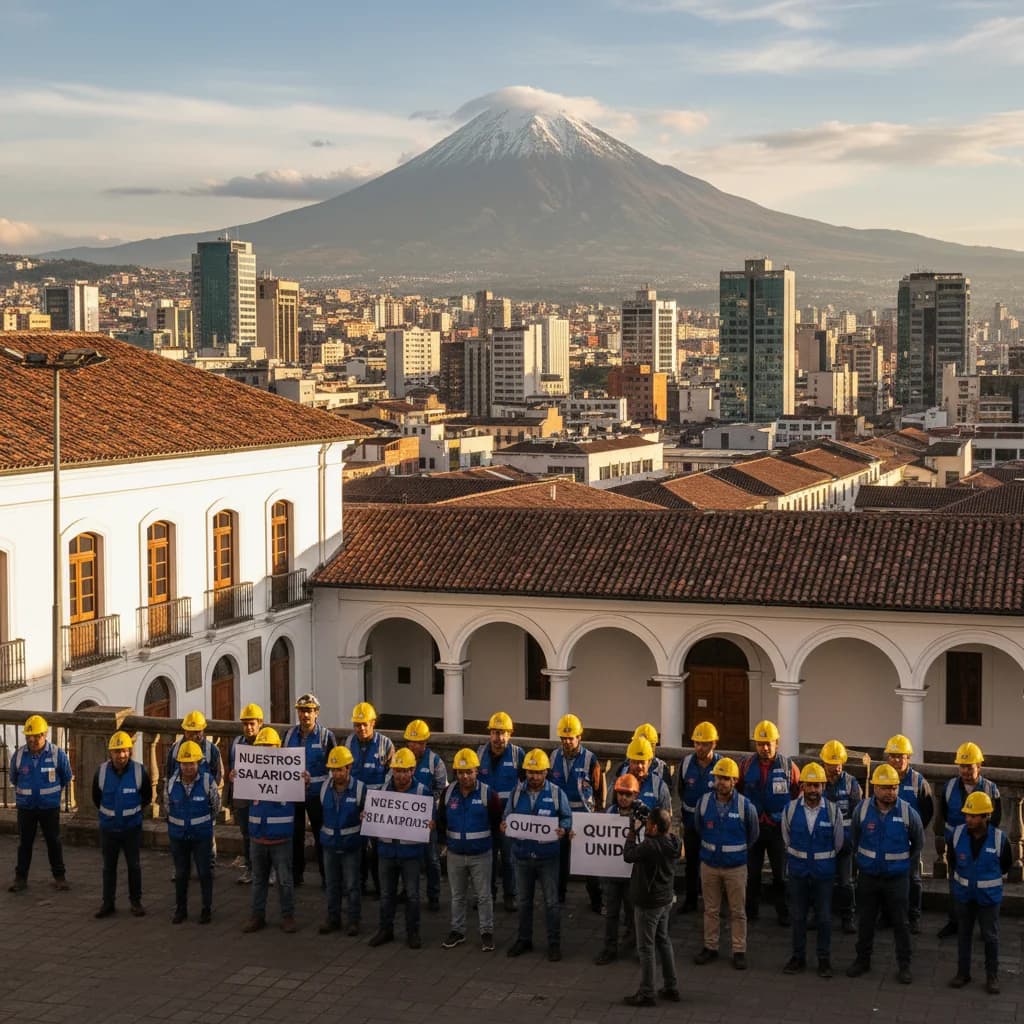
On March 1, 2026, Ecuador raised tariffs on Colombian imports from 30% to 50% — the second escalation in six weeks. Colombia responded within days by imposing 50% tariffs on 280 Ecuadorian products, including pharmaceuticals, plastics, and mineral fuels.
This is now a full bilateral trade war between two Andean neighbors that share a 586-kilometer border.
Timeline of the Trade War
| Date | Action | |---|---| | January 21 | Ecuador imposes 30% "security tariff" on Colombian imports | | Late January | Colombia retaliates — 30% tariff on key Ecuadorian goods | | February | Colombia cuts electricity exports to Ecuador | | February | Colombia hikes SOTE oil pipeline fees by 900% | | March 1 | Ecuador raises tariffs to 50% | | March 3 | Colombia retaliates on 280 products at 50% | | March 17 | Petro accuses Ecuador of bombing Colombian territory |
Why Ecuador Did This
President Noboa justified the tariffs as a "security measure," accusing Colombia of failing to implement "concrete and effective" measures to combat drug trafficking along the shared border. The trade dispute is fundamentally a security dispute — Noboa wants Colombia to eradicate coca crops and dismantle illegal mining operations near the border.
What's Getting More Expensive
Colombia is a major supplier to Ecuador in several categories that directly affect daily life:
- Pharmaceuticals and medicines — Colombia is a key source of generic medications sold in Ecuadorian pharmacies
- Pesticides and agricultural chemicals — critical for Ecuador's farming sector
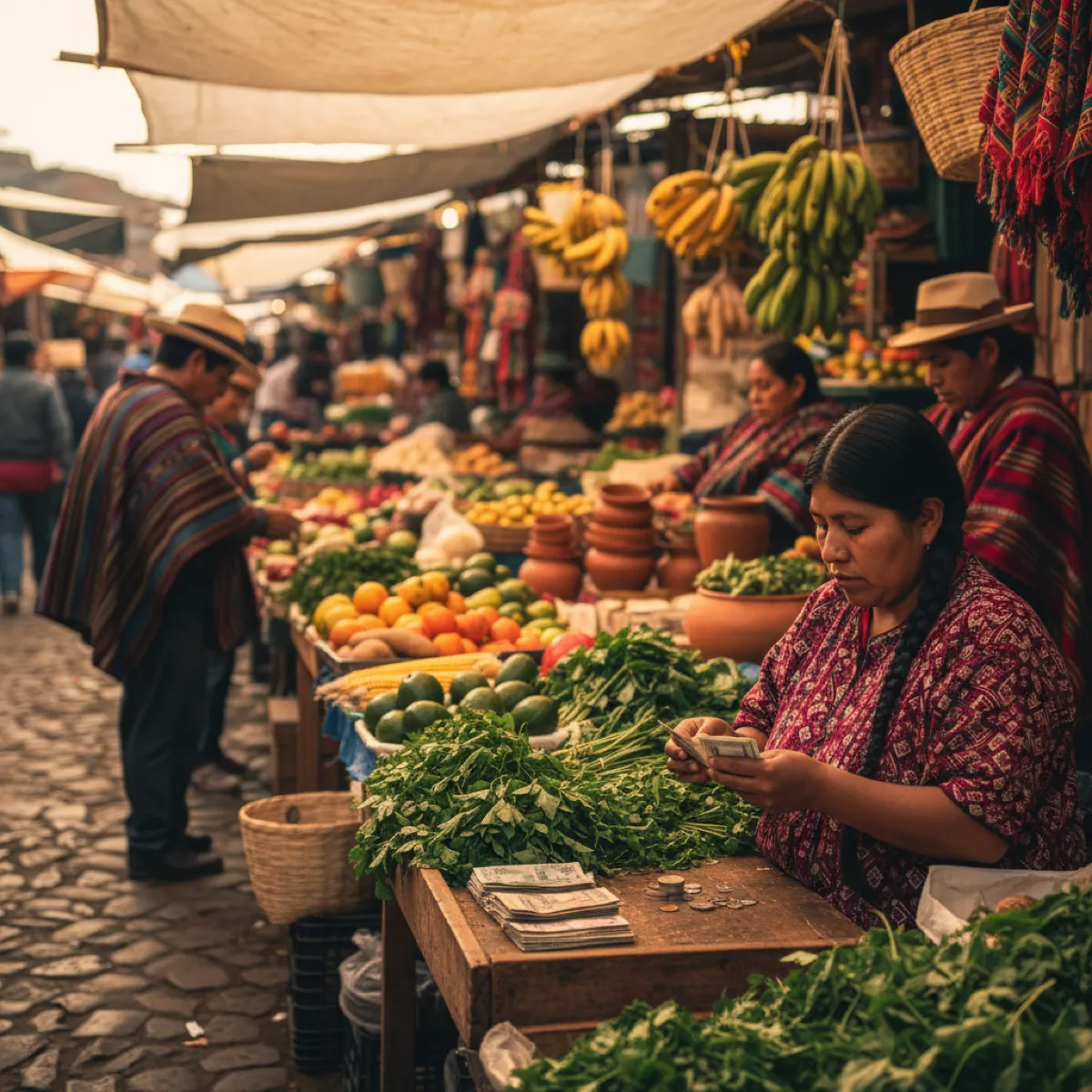
- Processed foods — many packaged goods in Ecuadorian supermarkets come from Colombia
- Paper and packaging — affects everything from shipping boxes to notebooks
- Plastics — raw materials for Ecuador's manufacturing sector
Beyond tariffs, Colombia's electricity cutoff adds indirect cost pressure. Ecuador previously imported up to 10% of its power from Colombia during dry seasons.
What This Means for Expats
Pharmacy prices: If you buy medicines regularly, check whether your brands are Colombian-sourced. Generic medications from Colombian labs are common in Ecuador. Alternatives from other countries may be available but at different prices.
Supermarket impact: Look for Colombian brands on products you buy regularly — sauces, snacks, dairy products, cleaning supplies. Some may disappear from shelves entirely as importers switch sources.
No immediate crisis: Ecuador imports far more from the US, China, and Peru than from Colombia. The total bilateral trade is $1.1 billion — significant but not economy-defining. The price increases will be real but not dramatic.
The bigger worry: The electricity cutoff. Ecuador's grid was already stressed by drought-reduced hydroelectric capacity. Losing Colombian power imports during the dry season (starting around June) could mean rolling blackouts if the Turkish floating power plants can't fully compensate.
Sources: Al Jazeera, Bloomberg, Latin America Reports, Finance Colombia
More in Economy
View all →Keep practical Ecuador coverage free to read.
Reader support helps fund source monitoring, translation, editing, publishing, and national coverage for expats across Ecuador.
EcuaPass
Your Ecuador Visa, Done Right
Retirement • Professional • Investor • Cedula processing & renewals — start to finish by licensed experts.
Get a Free Consultationecuapass.com
Need help with your Ecuador visa? EcuaPass handles the paperwork for you. Learn more →
Comments
No comments yet. Be the first to share your thoughts!