Mining Law Allows Rock Extraction in Galapagos, Weakens Environmental Protections
 Chip Moreno
GET YOUR ECUADOR VISA HANDLED BY EXPERTS
Trusted by 2,000+ expats • Retirement • Professional • Investor visas
Ecuador's most famous natural treasure just lost some of its legal armor.
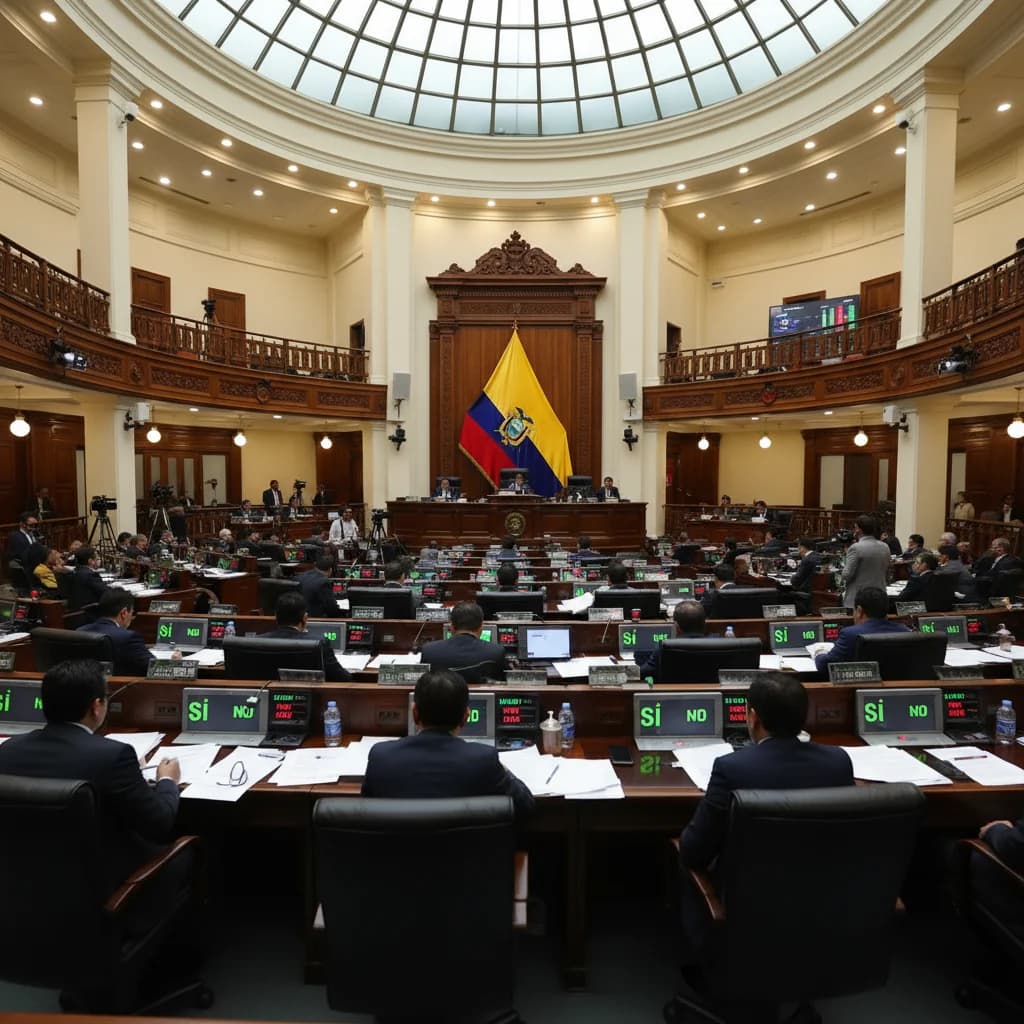
The National Assembly passed a sweeping new mining and energy law on February 26, 2026, by a vote of 77-70. Among its most controversial provisions: the law opens the door to rock and mineral extraction in the Galapagos Islands and replaces Ecuador's existing environmental licensing system with a streamlined authorization process that critics say guts oversight.
What the Law Changes
Environmental licenses replaced with "simplified authorizations":
Under the previous framework, mining and energy projects required a full environmental impact assessment (EIA) reviewed by the Ministry of Environment. This process included public consultation, technical review, and the issuance of a formal environmental license.
The new law replaces this with simplified environmental authorizations that reduce the review requirements and accelerate approvals. Proponents argue this cuts bureaucratic delays. Opponents say it removes the safeguards that prevent ecological damage.
Rock extraction permitted in Galapagos:
The law authorizes the extraction of construction materials -- primarily rock, gravel, and sand -- from the Galapagos Islands for infrastructure projects within the archipelago. While the provision is framed as supporting local development (roads, buildings, port facilities), it sets a precedent for extractive activity in one of the world's most protected ecosystems.
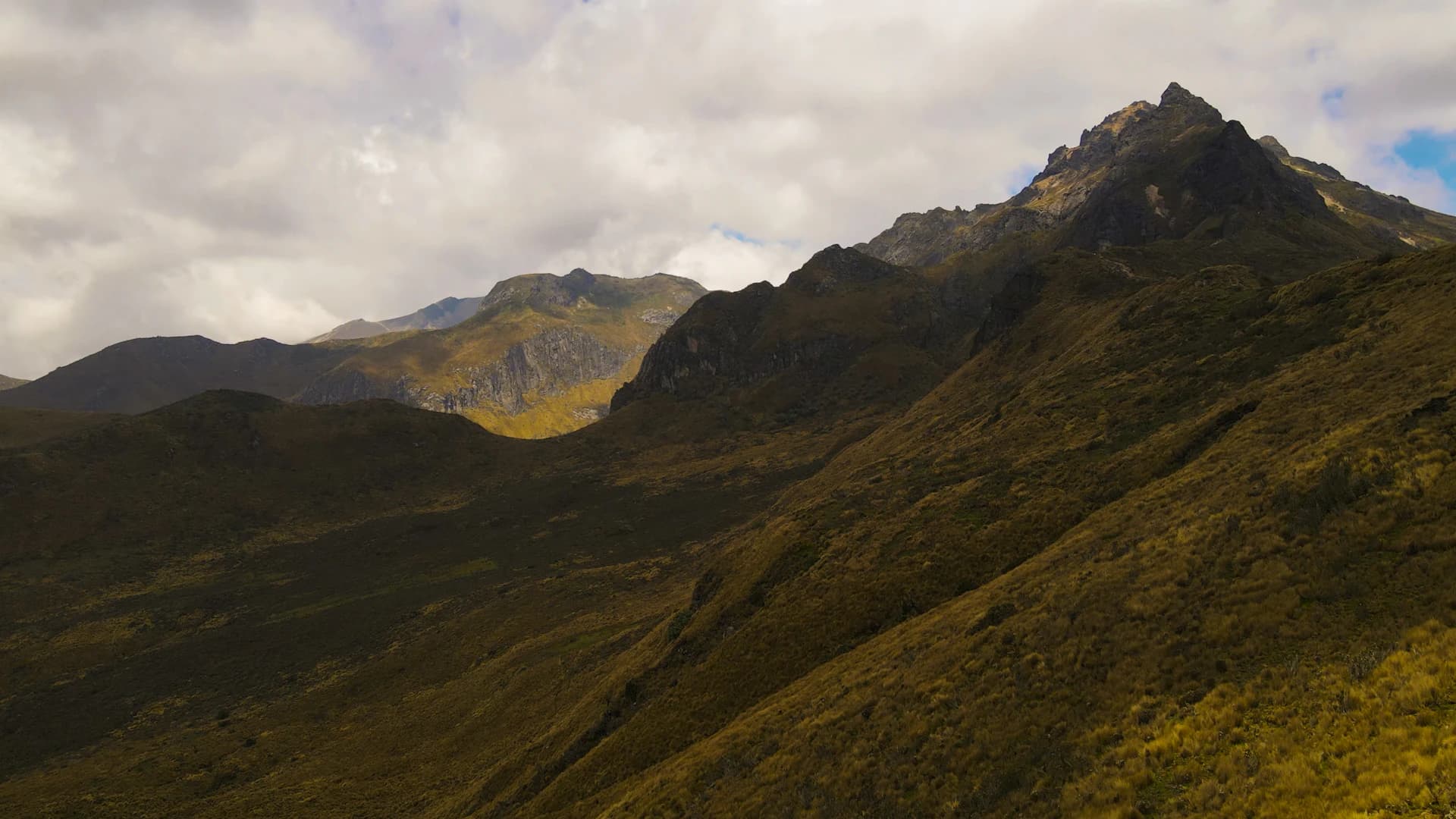
The Galapagos National Park covers 97% of the archipelago's land area and the surrounding Galapagos Marine Reserve is one of the largest marine protected areas on Earth. Any extractive activity on the islands requires careful consideration of impacts on endemic species that exist nowhere else.
The Opposition
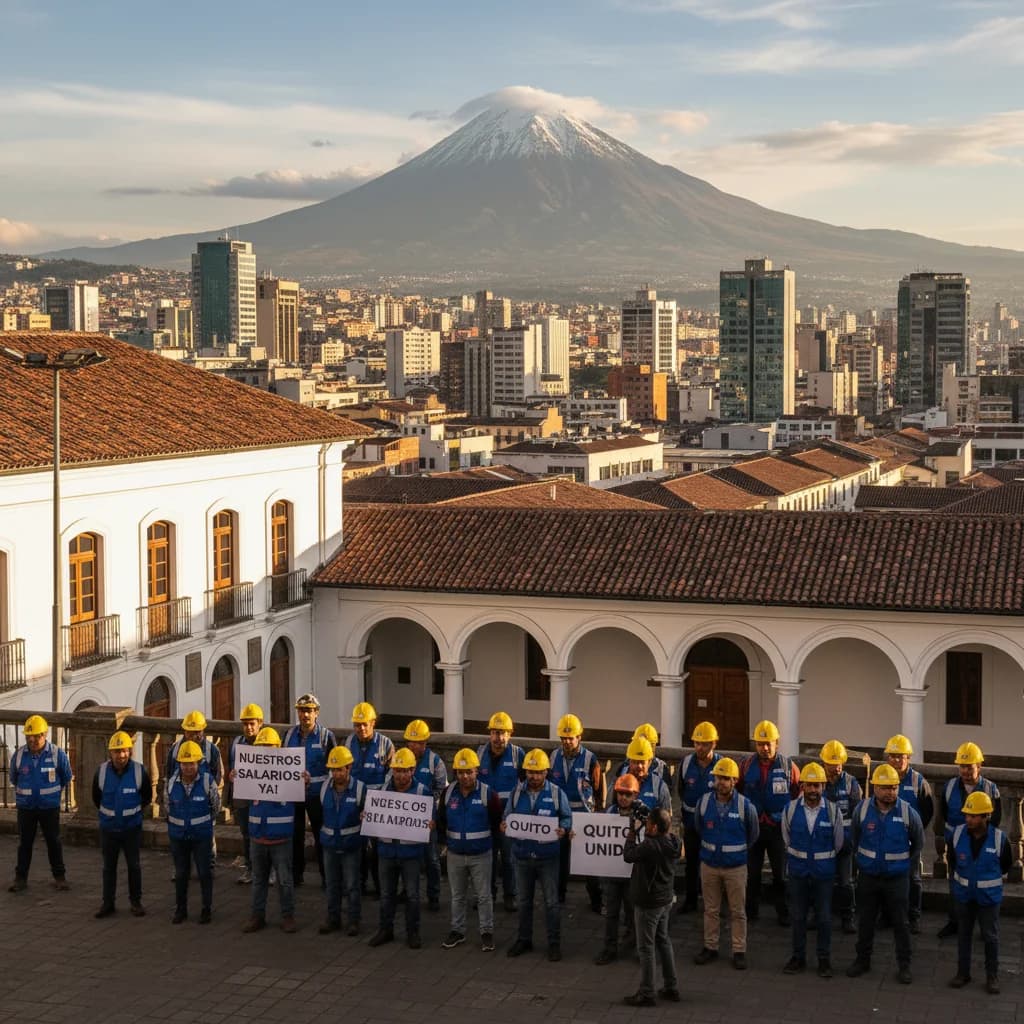
CONAIE (Confederacion de Nacionalidades Indigenas del Ecuador), Ecuador's largest indigenous organization and a powerful political force, has publicly opposed the law. CONAIE organized protests in Quito and other cities, arguing that:
- The law prioritizes mining company profits over community rights and environmental protection
- Simplified authorizations will lead to rubber-stamping of projects that should undergo rigorous review
- Indigenous territories in the Amazon and highlands are particularly vulnerable to expanded mining activity
- The Galapagos provision sets a dangerous precedent
Environmental organizations, including the Galapagos Conservation Trust and UNESCO observers, have expressed concern. The Galapagos Islands are a UNESCO World Heritage Site, and any perceived weakening of protections could trigger a review of that status.
The Government's Argument
President Noboa's government and the Assembly majority argue the law is necessary to:
- Attract foreign investment in Ecuador's mining sector, which has enormous untapped potential in copper, gold, and other minerals
- Reduce bureaucratic barriers that delay legitimate development projects by years
- Support infrastructure development in the Galapagos, where growing populations need roads, housing, and port facilities
- Boost government revenue through mining royalties and taxes
Ecuador sits on significant mineral deposits, and the government sees mining as a key pillar of economic diversification beyond oil.
What This Means for Expats
- Galapagos tourism is not immediately affected. The rock extraction provision applies to construction materials for island infrastructure, not industrial mining. Tourist visits, diving, and wildlife viewing continue unchanged for now
- Watch for UNESCO implications. If UNESCO determines that the new law threatens the Galapagos World Heritage status, it could trigger increased international scrutiny and potentially affect travel regulations. A "World Heritage in Danger" listing would be significant international news
- Environmental policy is shifting. Ecuador has historically positioned itself as a leader in environmental rights -- it was the first country to grant constitutional rights to nature (Pachamama) in 2008. This law represents a meaningful departure from that trajectory
- If you own property near mining-eligible areas, particularly in the highlands or Amazon regions, be aware that the simplified authorization process may lead to new mining activity in previously quiet areas. This could affect property values, water quality, and noise levels
- CONAIE protests could escalate. The indigenous movement has a history of large-scale mobilizations that can shut down highways, disrupt transportation, and force government negotiations. If the mining law becomes a rallying point, protests similar to the 2019 and 2022 uprisings are possible
The mining law is a bet by Ecuador's government that economic growth can coexist with environmental protection under lighter regulation. History suggests that bet rarely pays off without strong enforcement.
Source: People's Dispatch
More in Politics
View all →Keep practical Ecuador coverage free to read.
Reader support helps fund source monitoring, translation, editing, publishing, and national coverage for expats across Ecuador.
EcuaPass
Your Ecuador Visa, Done Right
Retirement • Professional • Investor • Cedula processing & renewals — start to finish by licensed experts.
Get a Free Consultationecuapass.com
Need help with your Ecuador visa? EcuaPass handles the paperwork for you. Learn more →
Comments
No comments yet. Be the first to share your thoughts!